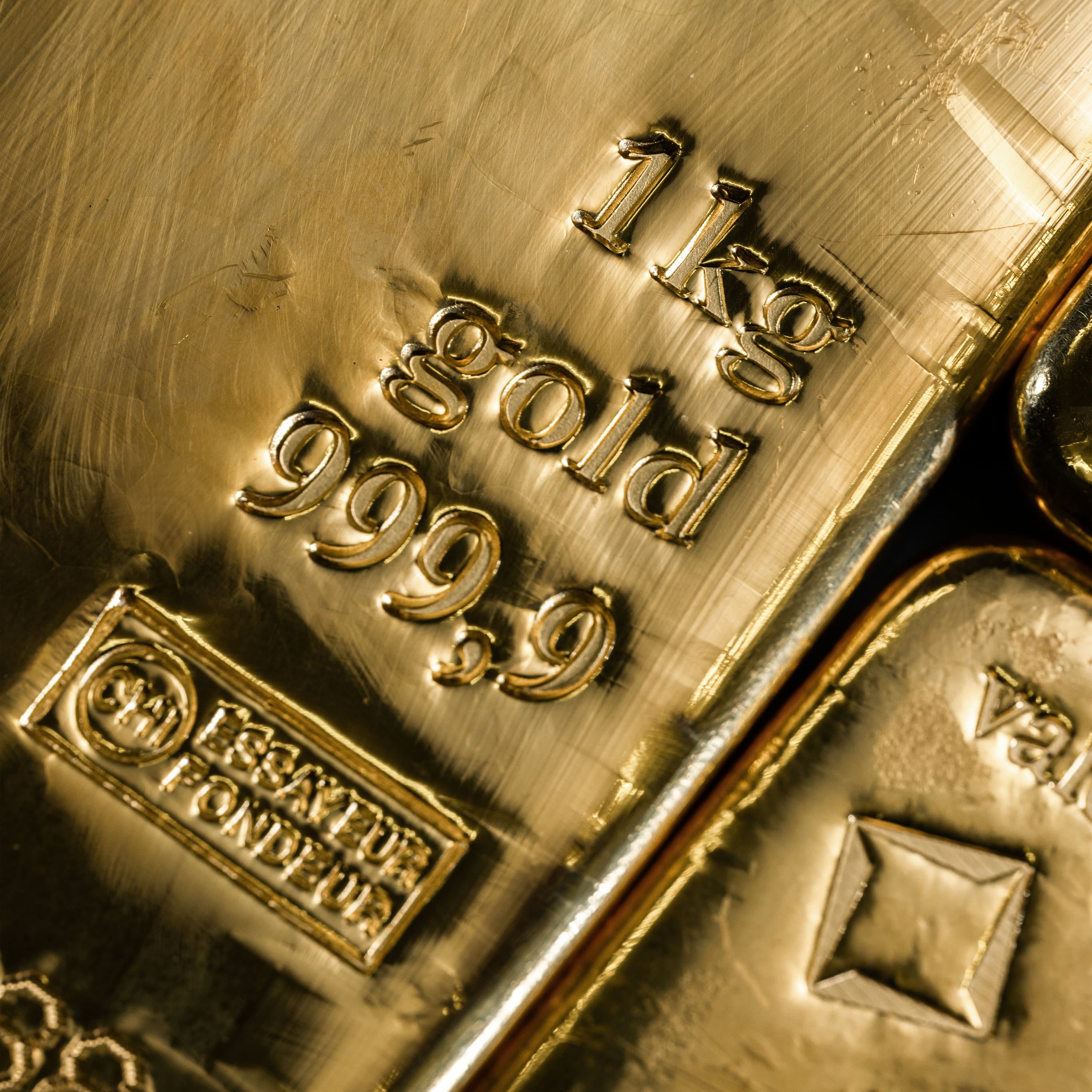
Only four central banks purchased more gold than this company in 2026.
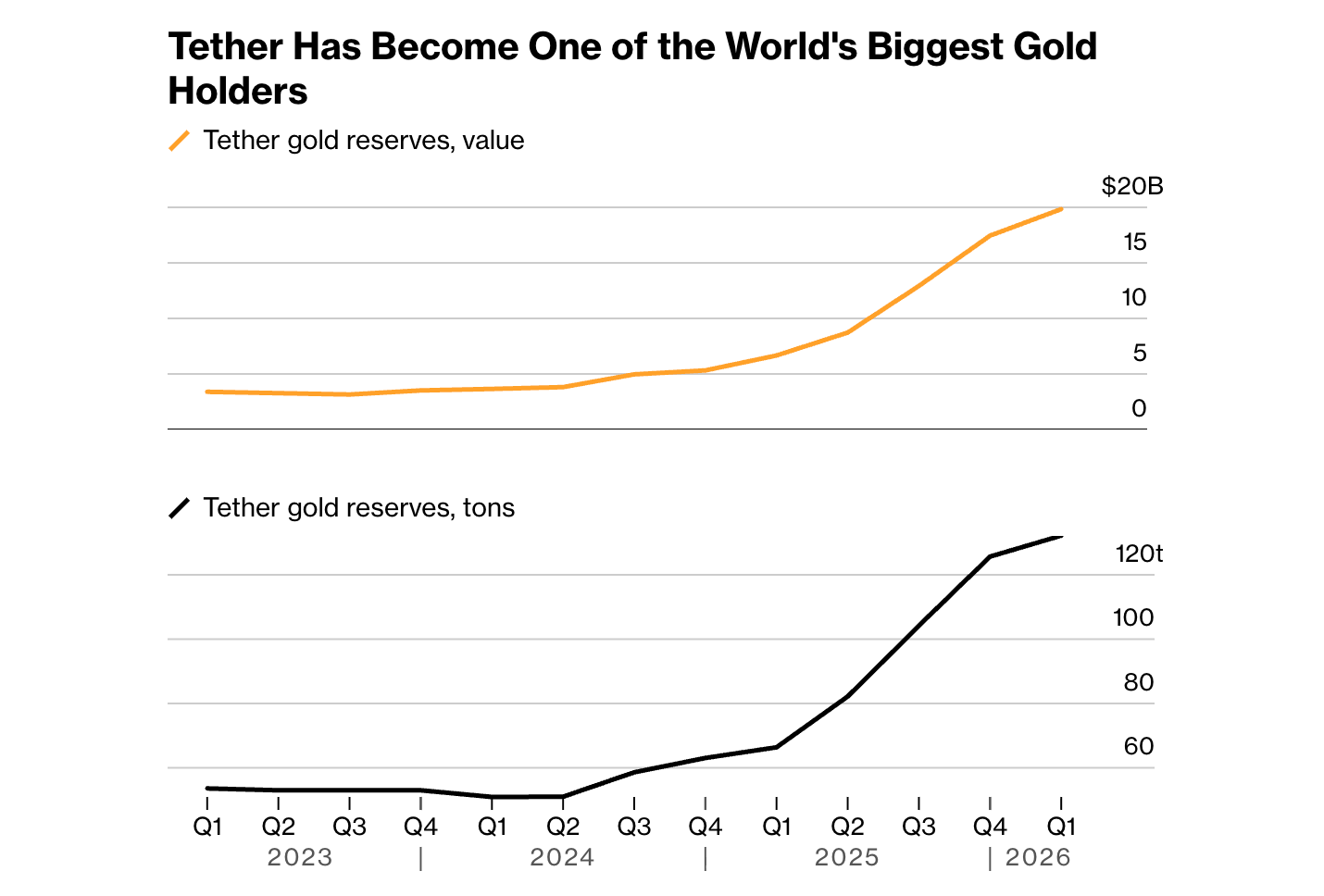
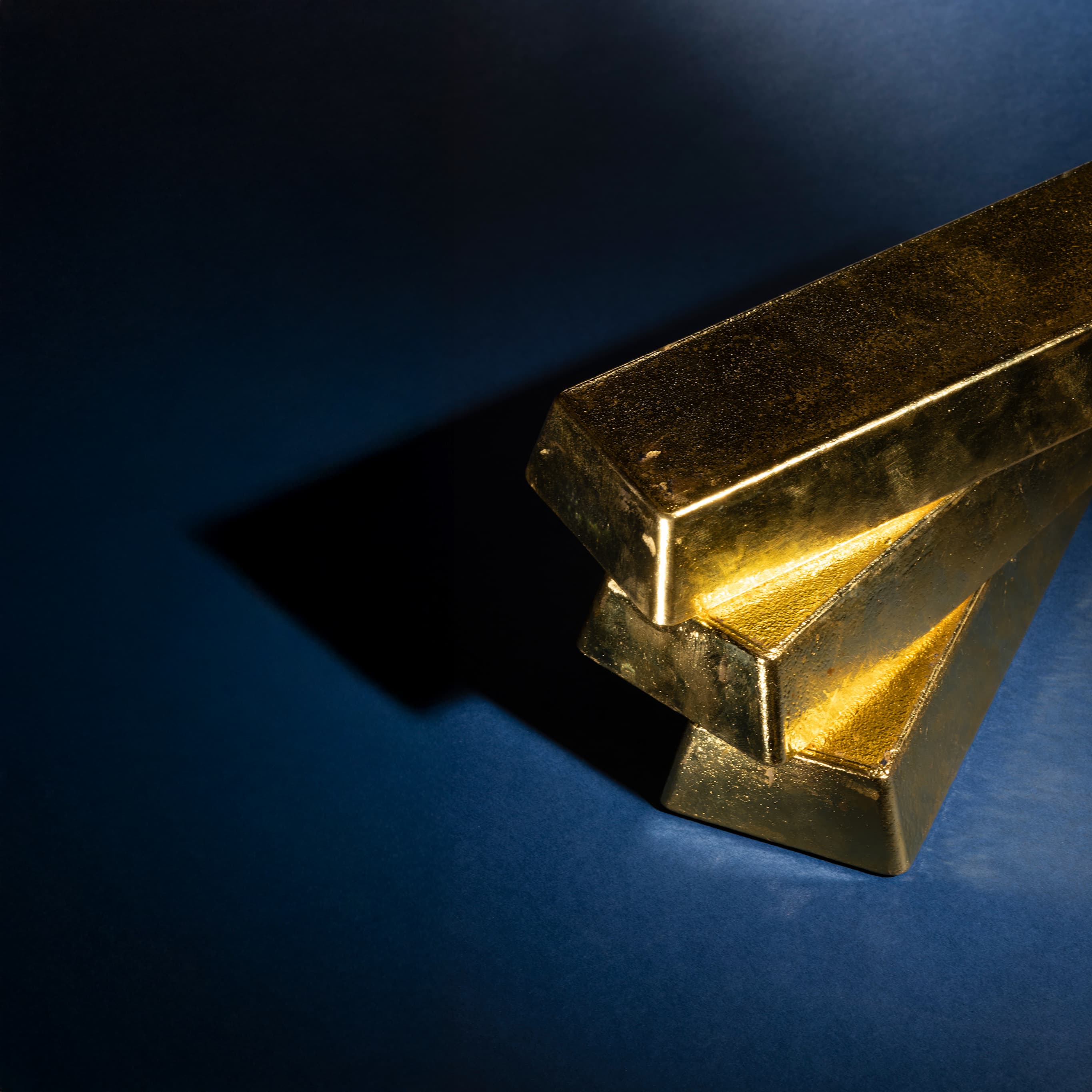
Tether, the issuer of the world’s largest dollar-backed stablecoin, purchased more than six tonnes of gold in the first quarter of 2026. This brings its total gold reserves to 132 tonnes, which, at current prices, are valued at nearly $20 billion. The Q1 purchases follow earlier acquisitions of 21 and 26 tonnes in the fourth and third quarters of 2025, respectively.
In just 12 months, Tether's gold supply doubled, while its value tripled over the same period.
Over the course of 2025, the stablecoin issuer purchased more gold than any central bank, with the exception of Poland. In the first quarter of 2026, only the central banks of Poland, Uzbekistan, Kazakhstan, and China acquired more gold.
With that, this company is starting to become a serious competitor to central banks when it comes to buying gold.
How does Tether make all that money?
The key question, of course, is: where does Tether get the funds to buy so much gold?
The answer lies in the stablecoin business model. Tether issues USDT, a digital currency that should always be worth around 1 dollar. Customers surrender dollars, get USDT in return, and Tether then invests those dollars in safe and liquid assets.
Most of those reserves are in US government bonds. According to the latest figures, Tether had approximately $117 billion in U.S. government bonds in USDT reserves in the first quarter of 2026. Reuters even talks about 141 billion dollars in exposure to U.S. government bonds more broadly. Tether receives interest on this.
And that's where the profit machine is. USDT users do not receive any interest themselves. They simply hold a digital dollar. Tether, meanwhile, does receive interest on the underlying government bonds. At the current size of the reserves, this generates billions of dollars a year.
In the first quarter of 2026, for example, Tether posted a net profit of $1.04 billion. The buffers on top of USDT's official coverage thus rose to a record $8.23 billion. These are the means by which Tether can finance gold, bitcoin and other investments, among other things.
Simply put, Tether therefore functions somewhat like an extremely profitable money market fund-like company. However, the company does not pay the interest to the holders of USDT, but keeps those proceeds itself. That money can then be used to strengthen the balance sheet, make new investments and build up gold reserves.
That also explains why Tether can be such an aggressive buyer of gold. To do so, the company does not have to raise new capital from shareholders every time. As long as the demand for USDT remains high and the interest rate on U.S. government bonds is attractive, a huge cash flow will continue to come in.
That's also where the risk lies. The model works great as long as users have confidence in USDT and as long as the reserves remain sufficiently liquid and safe. But Tether is still neither a central bank nor a traditional regulated bank.
The company publishes attestations about its reserves, but not a full audit, as many critics would like to see. That's why the combination of huge profitability and limited transparency is exactly why Tether remains so fascinating and controversial.
Tether buys as central bank but acts as startup
While gold has clearly become part of Tether's strategy, the policy behind the scenes looks less stable. A few months ago, the company removed two experienced precious metal traders from investment bank HSBC.
With their arrival, Tether aimed to professionalise its gold operations. There were also plans to generate additional returns by lending out gold. However, that initiative was short-lived. By the end of March, the company had resumed control, parting ways with the two traders.
That fits the image that has been around Tether for some time. On paper, the company is extremely successful. It makes a lot of money, grows fast and builds up reserves that are now reminiscent of those of a small central bank. At the same time, things often remain unsettled behind the scenes.
In February, it was also announced that Tether had invested $150 million in Gold.com Incorporated. This further underscores the important role gold plays in its broader strategy.
This is remarkable, because Tether comes from the crypto world. There, bitcoin is often presented as the digital alternative to gold. You would therefore expect a major crypto player to primarily opt for a pure bitcoin reserve.
Yet Tether does something different. The company owns bitcoin, but is also rapidly building a large gold position. Apparently, one of the largest companies in the crypto sector sees value in both assets.
Tether bought more gold than almost all central banks and now owns 132 tons. How a crypto company grows into a major player in the gold market.

Thom Derks writes for GoldRepublic on gold, macro-economics and geopolitics. He studied Law in Leiden and Economics in Amsterdam. His personal fascination with scarcity and store of value through both bitcoin and gold brought him into the world of financial journalism. Through his own newsletter De Geldpers on Substack, he reaches over 5,800 subscribers with analyses on markets, geopolitics and the monetary system.

.jpg.jpg)