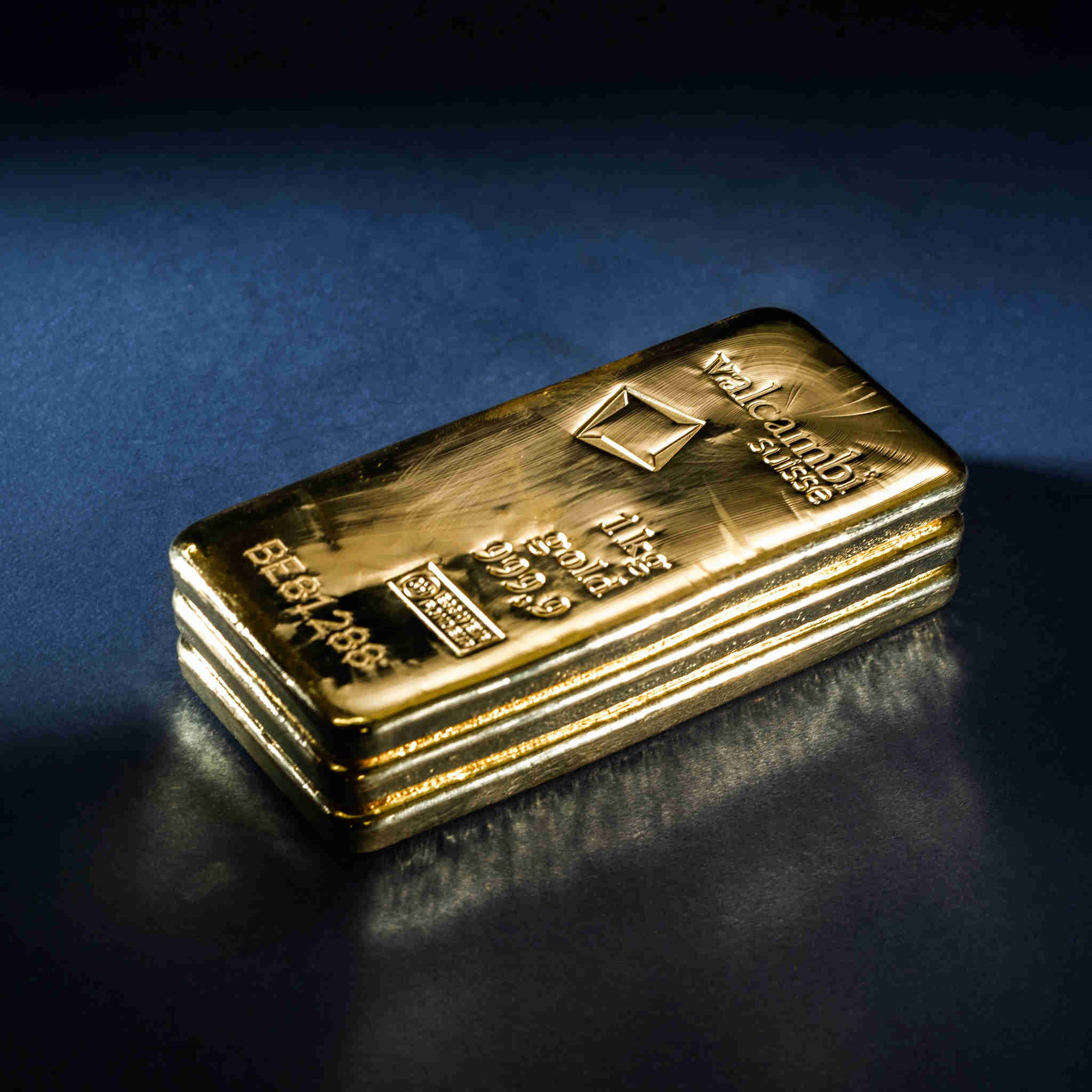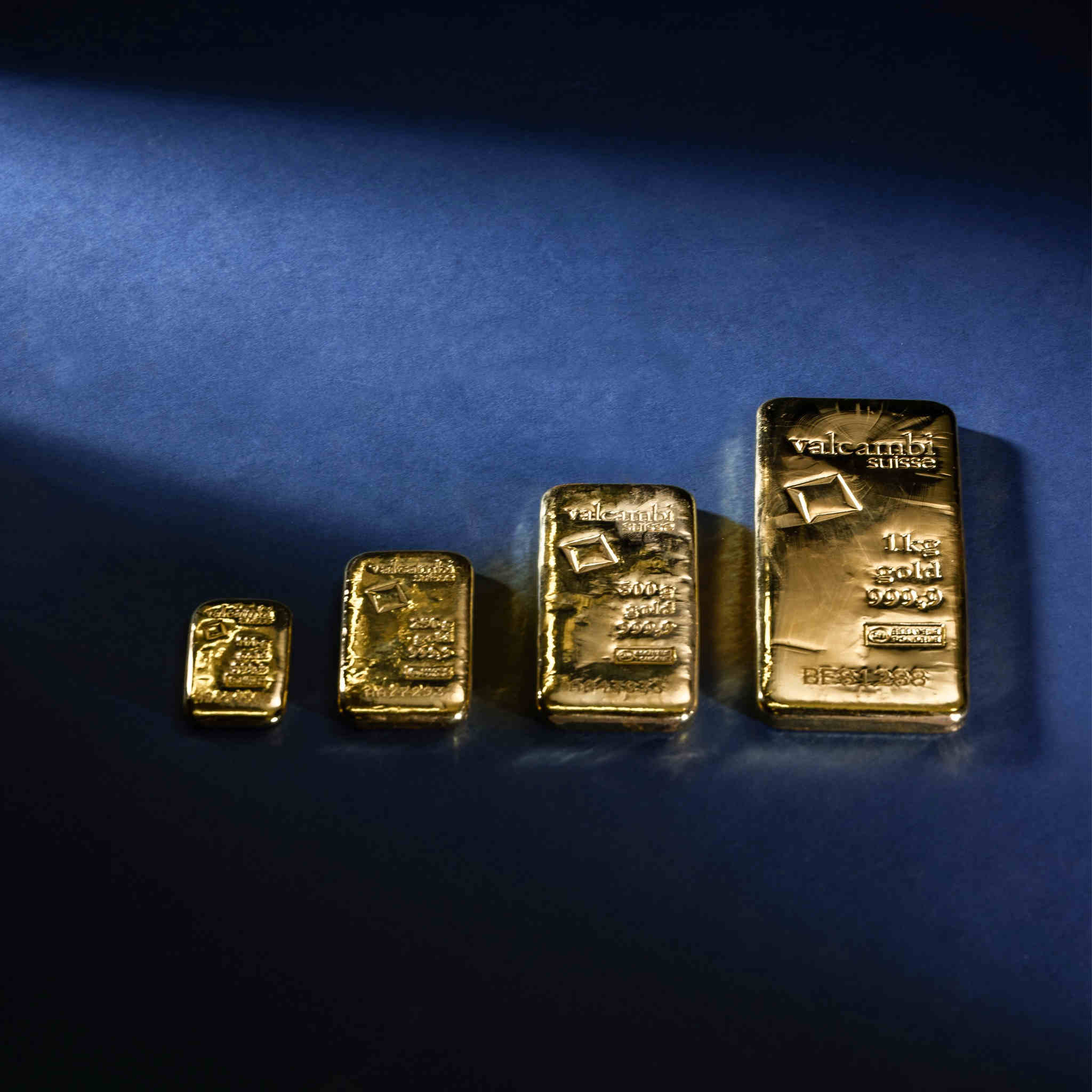


Gold and silver are, for now, responding surprisingly well to the Democrats’ victory in the US midterm elections. The Democrats have taken both the Senate and the House of Representatives from the Republicans, in a major defeat for Donald Trump.
At first, the financial markets seemed to respond with a sell-off. Soon, however, the mood turned and almost everything on Wall Street was trading in the green. The market apparently sees it as a positive development that Donald Trump is now less able to push his agenda through. That could potentially bring a measure of calm back to the world.
With a rise from around $3,850 per ounce to the current $4,128 per ounce over the past few days, gold is back above the important $4,000 threshold. That level has been a key price zone for gold since late 2025.
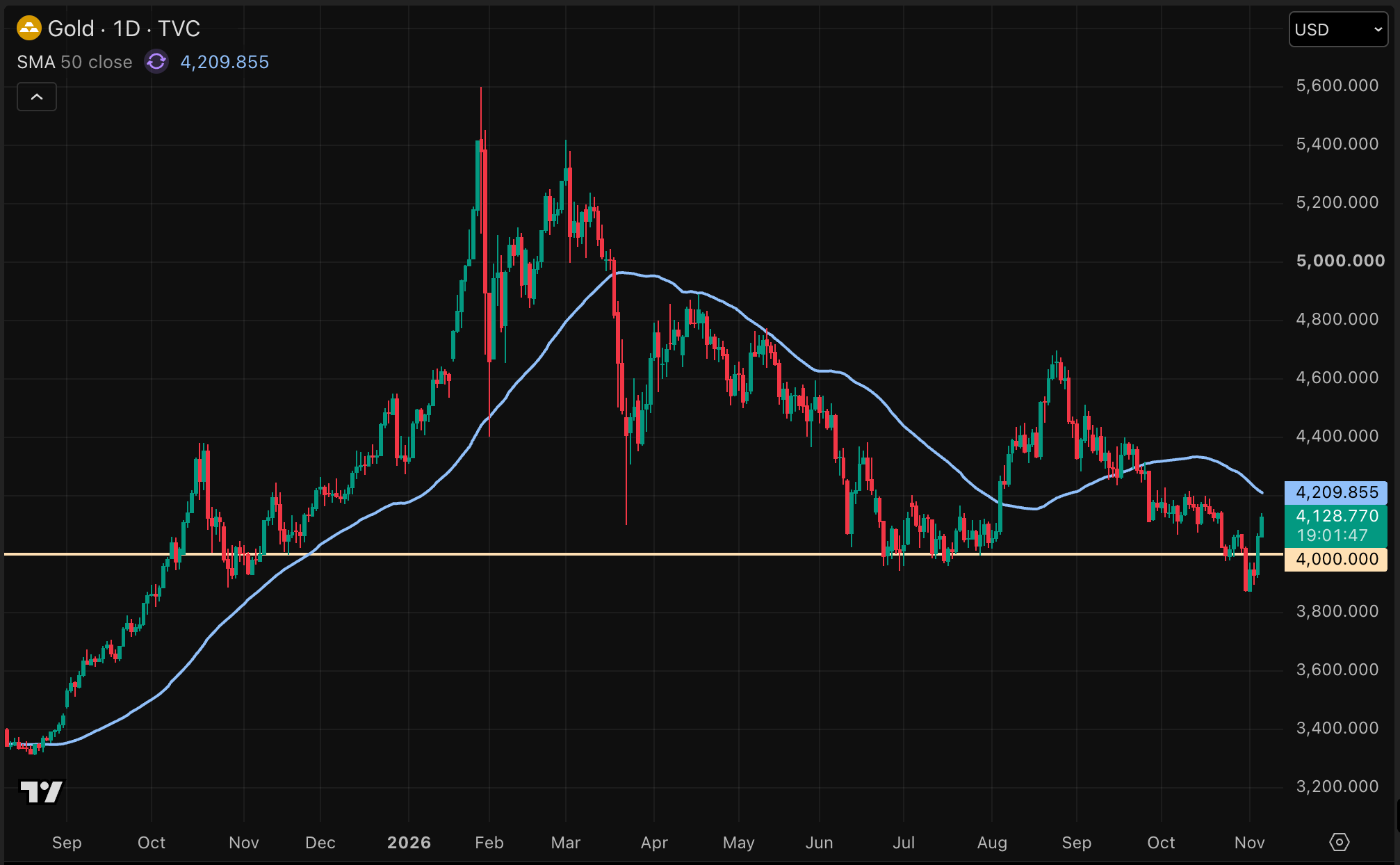
It would be especially encouraging if gold can now build the momentum to climb above its 50-day moving average at around $4,200. While it is too early to draw conclusions, gold is starting to send positive signals again.
Doubts about the AI investment cycle
Since gold and silver peaked in January, Wall Street’s attention has been focused mainly on AI stocks. By now, however, doubts about the AI investment cycle are growing rapidly. Sharply higher bond yields have made financing considerably more expensive.
And even strong quarterly results are no longer enough for AI companies to turn the tide. In principle, that could act as a tailwind for the gold price. Anna Wong, chief economist at Bloomberg, said this week that she expects economic growth of -1% or worse if the AI cycle grinds to a halt.
In other words, Bloomberg is then counting on a recession in the United States. As a result, we are now also seeing bond yields fall somewhat. After all, if the build-out of AI infrastructure enters a period of slowdown, demand for capital will also decline, resulting in lower interest rates.
Since the peak in early October, the US 10-year yield has done little but fall. In theory, that too is a tailwind for gold. In the short term, because government bonds compete with gold, which, unlike bonds, pays no interest.
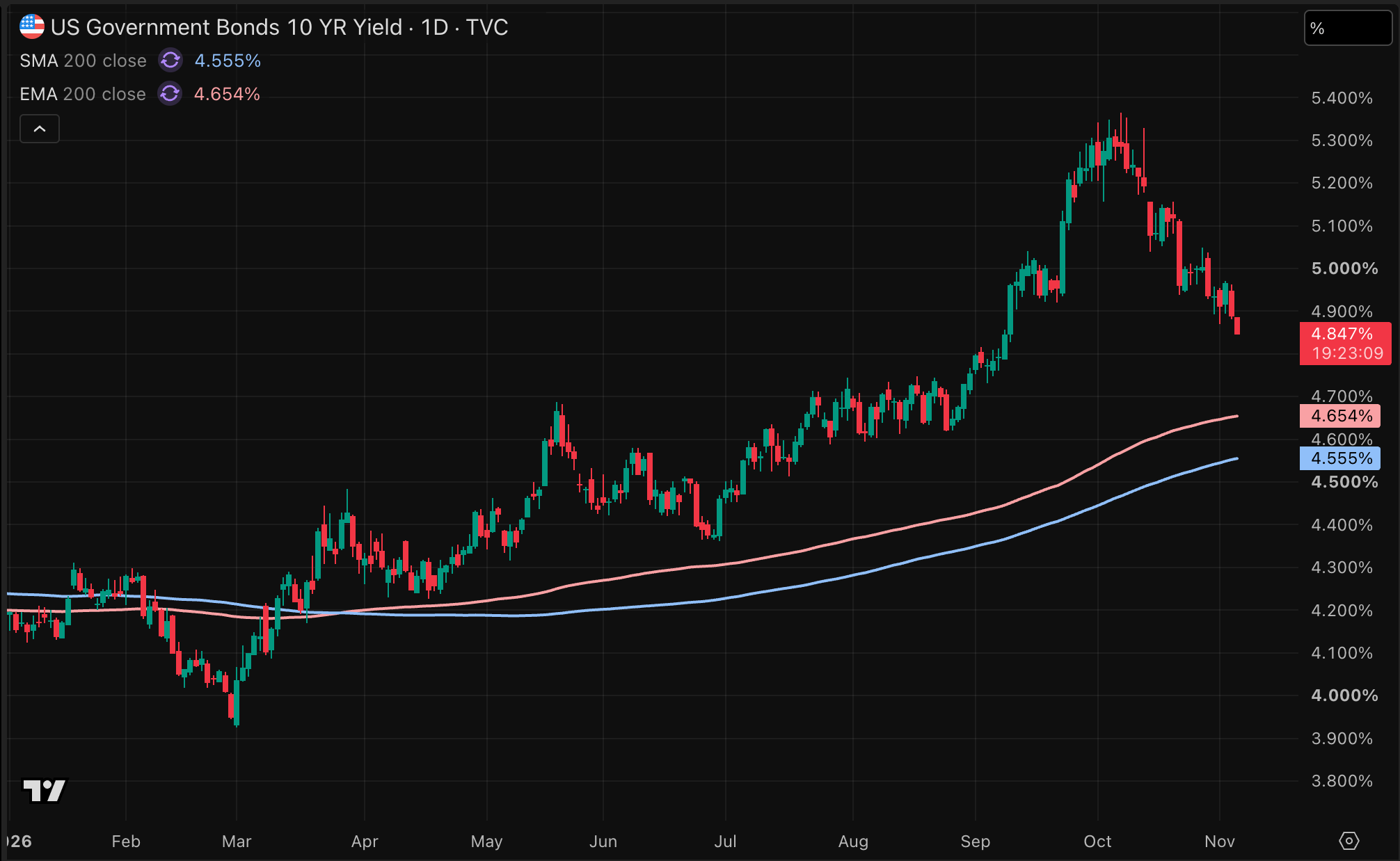
But also in the long term, because interest rates are falling due to concerns about economic growth. In other words, central bank intervention is drawing closer. If the AI cycle comes to a halt, the US central bank will probably cut interest rates and may well start buying government bonds again.
In practice, that amounts to money creation. In that scenario, the central bank injects extra liquidity into the system. Extra capital. Ultimately, that leads to inflation, and it is precisely for that scenario that investors choose to include gold and silver in their portfolios.
More and more leading analysts are writing about the end of the AI investment cycle.
Take Citrini, for example, a very popular equity analyst. He has significantly adjusted his thematic model portfolio and argues that investment in AI infrastructure is peaking. According to Citrini, the risks are now mainly to the downside.
Against the potential gains, he sees an ever-growing risk of losses.
Citrini also expects the Democrats’ election victory to push up the cost of US data centres further. What’s more, his warning goes beyond AI alone.
According to the analyst, the economy is moving into a late stage of the business cycle, in which growth weakens while inflation remains stubborn. In other words, a shift towards stagflation.
That could put the US central bank in a difficult dilemma. A cooling economy calls for lower interest rates, but stubborn inflation limits the room to deliver them. It is precisely this uncertainty that makes it understandable that investors are now starting to look more closely at gold and silver.
Slowly but surely, the fundamentals for gold and silver are improving, while fear surrounding equity investments is growing.
At the same time, oil prices are currently falling sharply. Brent crude is now trading below $100 a barrel again. Although oil prices are still elevated, this also gives gold and silver some breathing room.
It means investors need to hedge somewhat less against inflation risk from this direction. In theory, that leads to lower bond yields, and therefore less competition from government bonds for gold and silver.
Since 30 October, the oil price has fallen by around 20 per cent in a short space of time. In principle, that is very favourable for the financial markets. However, it is too early to say that the oil problem has been solved. After all, we have thought so more than once before.
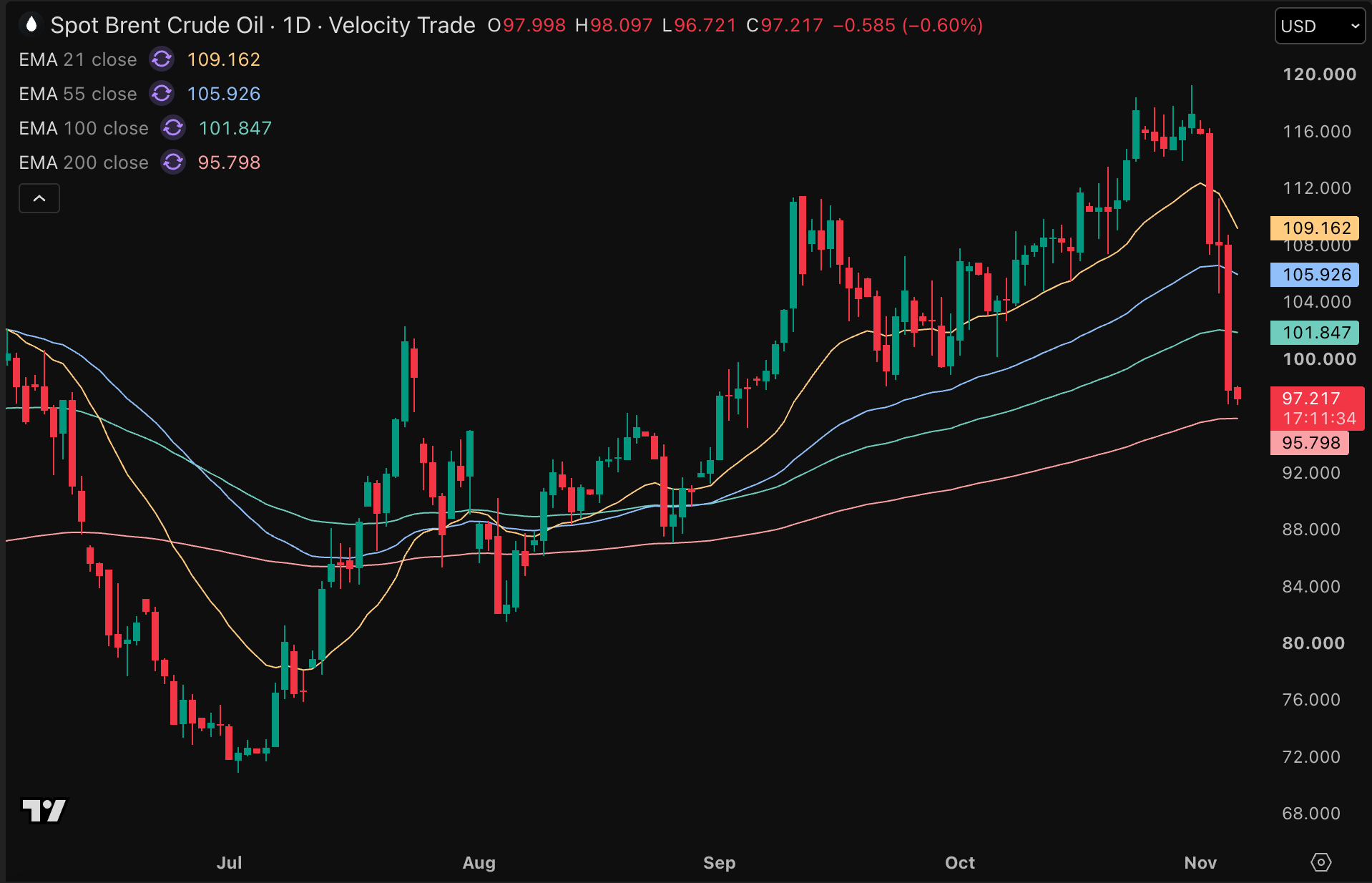
The combination of falling energy prices, slightly easing inflation, declining interest rates and a weaker dollar has given gold wings since the elections. In recent months, ETF investors have done a good job of absorbing selling pressure from hedge funds. Now a climate seems to be emerging in which they are also returning to the market as buyers.
So the coming period could well be interesting for gold and silver. But especially for gold, because silver will also suffer from the doubts about the AI cycle. After all, in addition to its monetary role, silver also has an economic role. For example, it is an important metal in the production of computer chips.
All in all, though, within a few days the picture looks a lot more favourable for precious metals again. What matters now is that these developments continue, so that gold and silver can reach higher levels.
Precious metals took flight after the US midterm elections. The sector was also helped by falling oil prices, lower bond yields, a weaker US dollar and doubts about the AI investment cycle.

Thom Derks writes for GoldRepublic on gold, macro-economics and geopolitics. He studied Law in Leiden and Economics in Amsterdam. His personal fascination with scarcity and store of value through both bitcoin and gold brought him into the world of financial journalism. Through his own newsletter De Geldpers on Substack, he reaches over 5,800 subscribers with analyses on markets, geopolitics and the monetary system.