

LBMA-certified gold and silver
When you invest in physical gold or silver, trust, quality, and tradability are central. On the international precious metals market, the LBMA hallmark is the standard for quality and tradability.
But what exactly is this hallmark? And what are the benefits of investing in silver or gold that bears an LBMA stamp and certificate?
What is the LBMA?
The London Bullion Market Association (LBMA) is internationally recognized as a leading organization that sets standards for trading in physical gold and silver.
The LBMA:
● sets quality requirements for gold and silver bars
● verifies the origin and integrity of precious metals
● safeguards worldwide tradability
● assesses smelters on compliance and ethical standards
The LBMA's standards are used by international banks, central banks, and large storage facilities and trading platforms, among others.
At GoldRepublic, too, we offer only precious metals that are LBMA-certified. This way you can be sure that your investment meets the strictest international requirements and you can rely on quality and trustworthiness.
The Good Delivery List
The core of the LBMA is the Good Delivery List. Only smelters that appear on this list may produce gold and silver bars that are accepted worldwide without additional inspection.
Requirements LBMA Good Delivery gold bar
● A minimum purity of 99.5% (for gold). In practice, purity is often as high as 99.9%.
● A nominal weight of approximately 400 troy ounces. The permitted range is 350 to 430 troy ounces.
● The exact weight must be stamped on the gold bar and expressed in troy ounces.
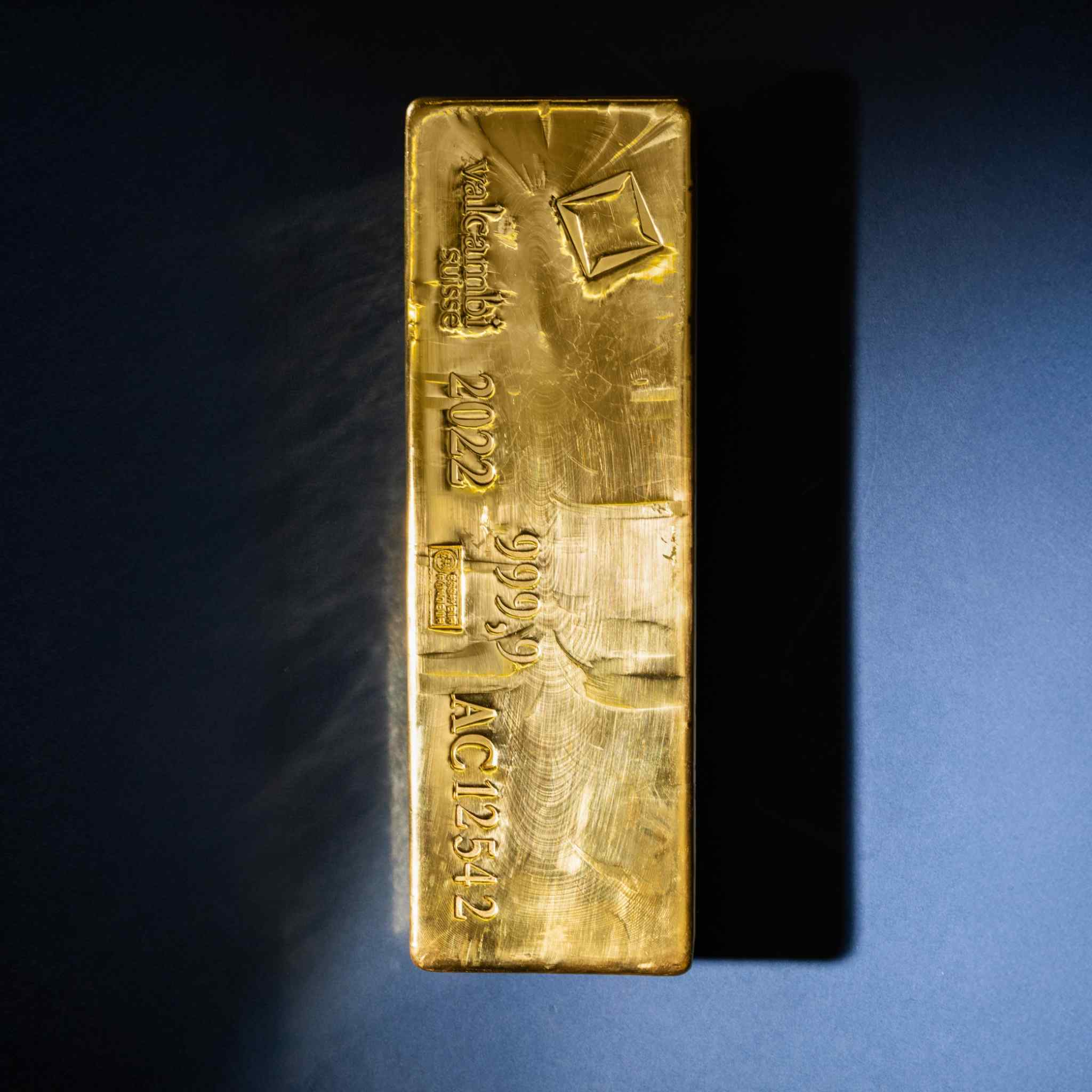
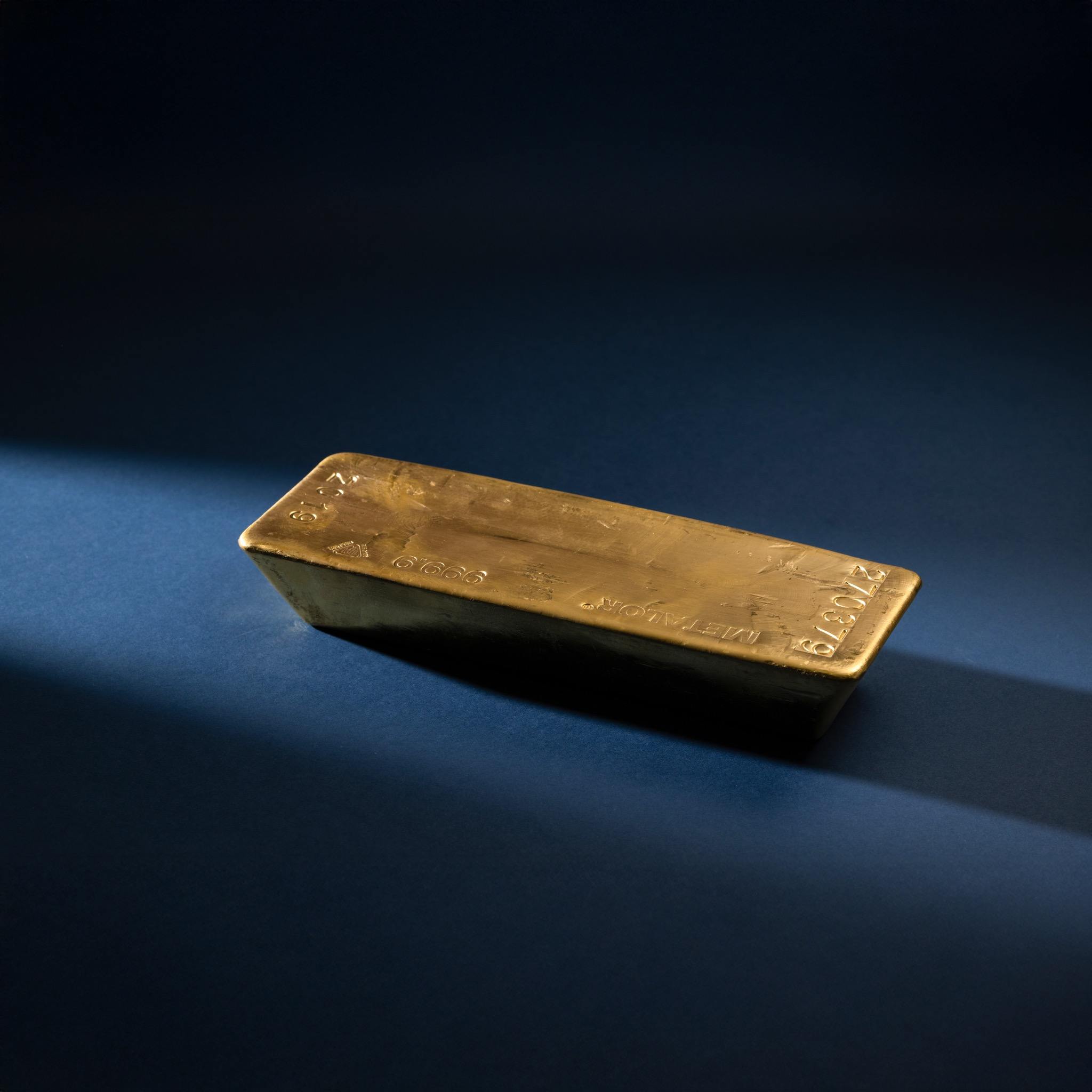
● In addition to the weight, the bar must also bear a unique serial number, the stamp of the refinery, the purity, and the year of production. The refinery must appear on the LBMA Good Delivery List.
● The bar must have a tapered shape and be cast (not pressed or rolled). Length, width, and height must fall within predefined dimensional limits.
Requirements LBMA Good Delivery silver bar
● A minimum purity of 99.9%.
● A nominal weight of 1,000 troy ounces. The permitted range is 750 to 1,100 troy ounces. Smaller silver bars are technically not "Good Delivery" bars, but retain their value and liquidity because they are produced by LBMA-accredited refineries.
● The exact weight must be stamped on the silver bar and expressed in troy ounces.
● In addition to the weight, the silver bar must also bear a unique serial number, the stamp of the refinery, the purity, and the year of production. The refinery must appear on the LBMA Good Delivery List.
● The bar must be cast and have a tapered shape. Length, width, and height must fall within the predefined dimensional limits.
All these requirements lead to one major benefit: liquidity.
A gold or silver bar from an LBMA-accredited refinery can be sold worldwide and is accepted without question. A better selling price can often be achieved as well, because authenticity is verifiable.
Many exchanges, trading platforms, and vaults accept only precious metals from refineries listed on the LBMA Good Delivery List.
Why choose LBMA-certified gold?
When you buy LBMA-certified gold, you opt for:
● International recognition. As a result, your gold is tradable worldwide and easily liquidated at a good price.
● Transparency about origin. The LBMA sets requirements for how the precious metal is mined and applies strict anti-money-laundering procedures.
● Independent oversight. Smelters are periodically reviewed to verify that they continue to meet the high standards.
Risks of investing in gold without an LBMA certificate
A gold bar without LBMA certification can be more difficult to trade worldwide. Not all trading platforms accept gold without certification. The bar may need additional testing at the time of sale and is also not accepted by certain storage facilities.
Trading in gold without an LBMA certificate therefore not only involves more hassle, it can ultimately also result in a lower market price because the quality is harder to verify.
The process: how does a smelter obtain LBMA certification?
Admission to the Good Delivery List is time-consuming and costly.
A smelter must pass technical product tests in which bars are physically inspected and analyzed for purity.
In addition, audits are performed on the origin of the precious metals and whether they have been mined in accordance with the requirements set out in the Responsible Gold Guidance. A smelter must comply with strict documentation requirements and, after admission, accept periodic re-inspections.
In the event of breaches or shortcomings, the LBMA can issue a warning, temporarily suspend the hallmark, or even remove a smelter from the list entirely.
LBMA-certified smelters at GoldRepublic
At GoldRepublic, we work exclusively with gold and silver bars from smelters that appear on the LBMA Good Delivery List. These include Umicore, Valcambi, Argor-Heraeus, and Agosi.
For you this means that:
● your gold is produced according to the highest international standard
● your gold is tradable worldwide
● your gold is professionally stored
What exactly is the LBMA hallmark? What are the benefits of investing in silver or gold with an LBMA stamp and certificate?

GoldRepublic is a leading European platform for physical precious metals, founded in 2010 as the first precious metal dealer licensed by the AFM (Dutch Authority for the Financial Markets). Our articles are written by a team of specialists in macroeconomics, precious metals and geopolitics.