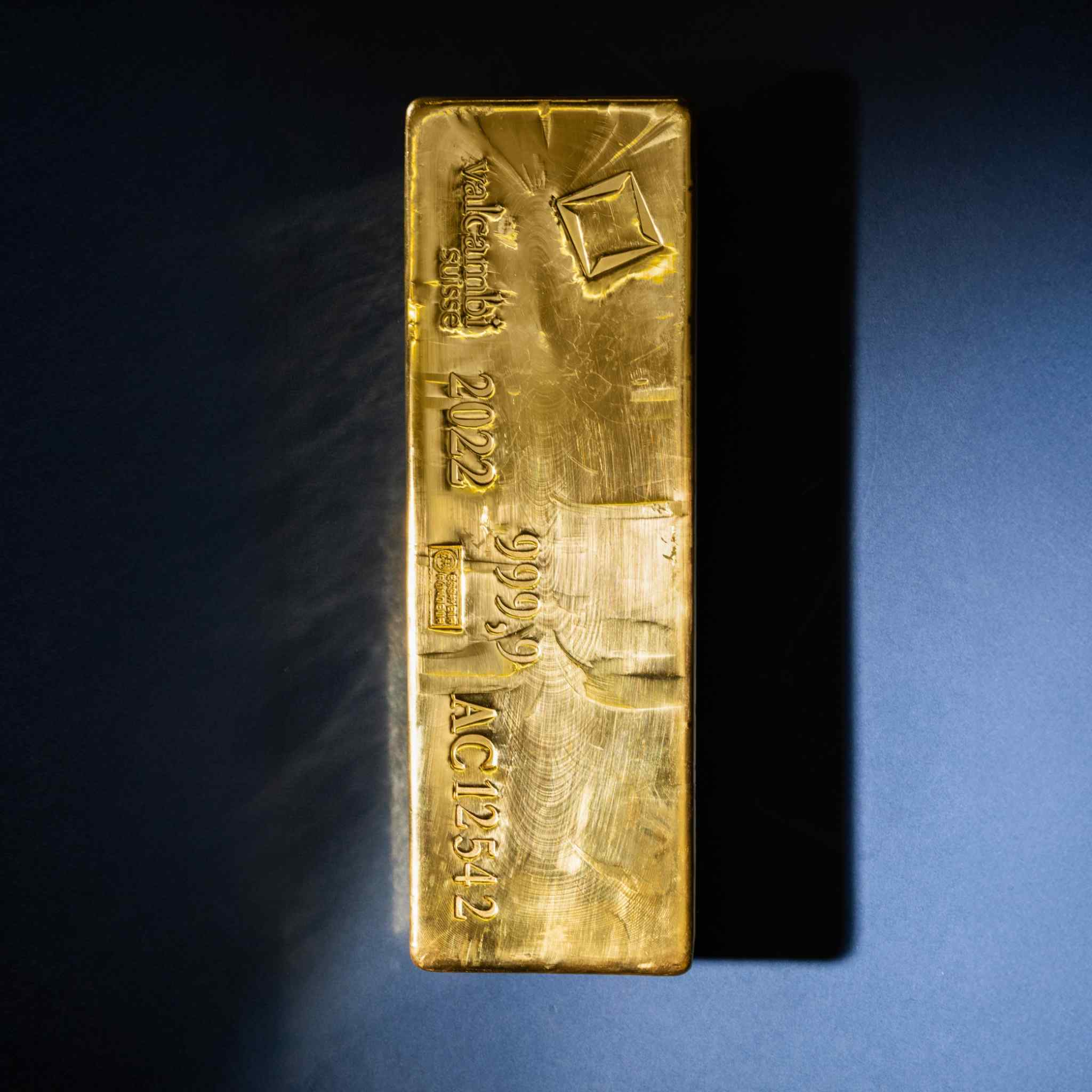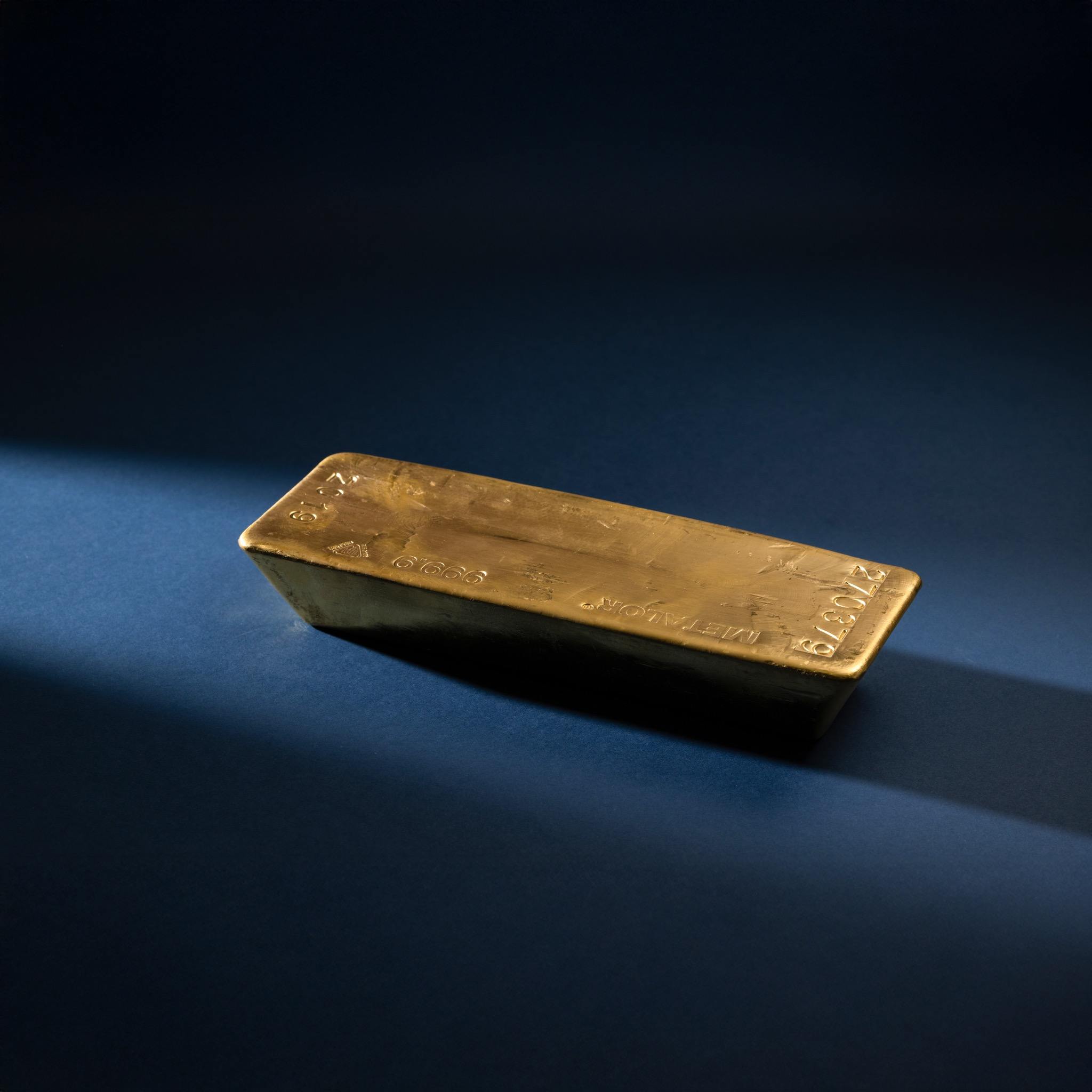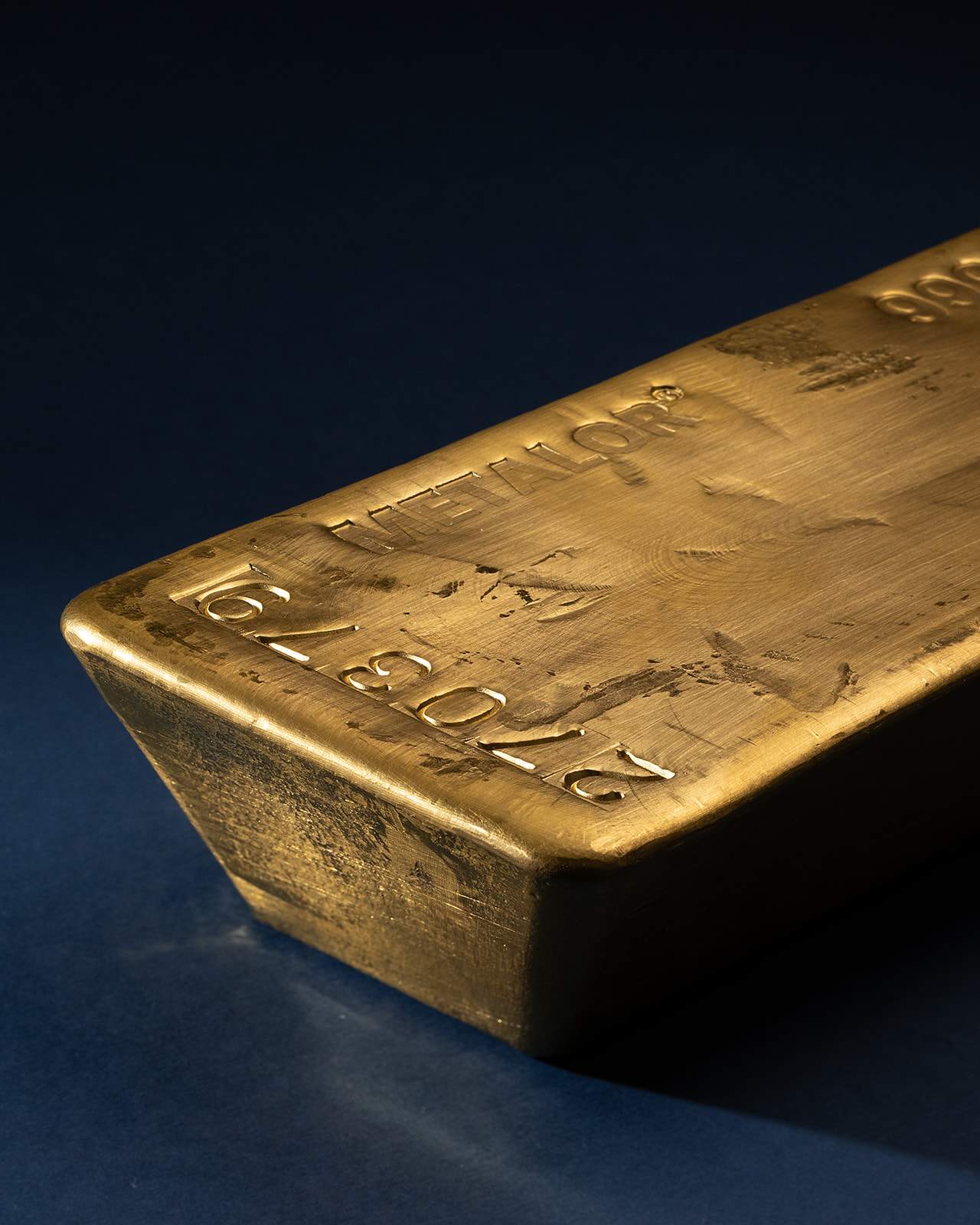


Selling physical precious metals: what are your options?
Whether you want to take profits, restructure your portfolio, or simply need liquidity: the moment you sell your gold, silver, or platinum deserves just as much attention as the purchase of precious metals.
This page explains the reasons for selling precious metals and what to watch out for when selling, so you can avoid unpleasant surprises.
Why sell precious metals?
Selling precious metals is often not a decision you want to make under pressure. Precisely when prices are temporarily under pressure and uncertainty increases, it's important that a sale fits within a wealth plan you've thought through in advance, rather than arising from unease or the feeling that "things are getting too hot."
Reasons to sell precious metals include, for example:
- Taking profits after a strong price increase
- Rebalancing
- A temporary need for liquidity, for example for another investment
- Your investment goal has been reached
How does selling precious metal work at GoldRepublic?
When you hold precious metals through GoldRepublic, the selling process is simple, transparent, and fully digital.
Step 1: You place a sell order
Through your personal account, you indicate which precious metal (gold, silver, or platinum) and what weight you want to sell. You immediately see the current selling price, based on the live market rate.
Step 2: A direct price, no negotiation
GoldRepublic uses clear spreads with no hidden costs. You don't need to negotiate or request quotes. This avoids uncertainty and wasted time.
Step 3: Settlement and payout
Once the sale is executed, the amount is usually credited to your linked bank account within one business day. Your precious metal is administratively deducted from the vault.
Because your precious metal is already stored in an independent, externally managed vault, no physical transport is required. This makes the process faster, safer, and cheaper.
Selling precious metals outside GoldRepublic
Have you purchased precious metals from another provider, or stored your purchase yourself? Then you're responsible for the sale yourself. You'll generally then face quality uncertainty. When precious metals can't be shown to have been stored directly from the refinery, and haven't been under continuous external oversight, uncertainty arises about the metal's purity, origin, and condition. This uncertainty almost always works against the seller.
With physical sales, valuation is often based on visual inspection and sampling. The final price therefore depends on the buyer's interpretation, which can lead to varying outcomes and less transparency.
It also matters that you're responsible for transport and insurance yourself, which not only makes the process more cumbersome, but also brings additional risks. Investors who value certainty, speed, and control therefore often choose to sell from a professional vault environment, as is standard with GoldRepublic.
What should you watch out for when selling precious metals?
Selling gold, silver, or platinum: are there differences?
Yes, there are clear differences between selling different precious metals.
Selling gold: Gold is known as the most liquid precious metal in the world. The market is large, transparent, and active. As a result, you can almost always sell gold quickly at competitive prices. At GoldRepublic, you can also always sell your gold back to us, regardless of market conditions.
Selling silver: There's also (substantial) industrial demand for silver. This precious metal also generally sees larger price fluctuations than gold. Silver physically delivered in the Netherlands can be less flexible to sell than silver stored in a vault abroad. That's because silver physically delivered in the Netherlands is subject to 21% VAT upon purchase. That VAT has been paid and isn't refundable for private investors. On sale, the buyer effectively has to "recoup" that VAT in their pricing.
Selling platinum: Platinum is generally the most volatile of these three precious metals. It's scarcer and more sensitive to economic cycles. In addition, the platinum market is smaller than that for gold and silver, which can lead to larger price fluctuations and spreads. This calls for a longer investment horizon and careful timing. Here too, VAT is levied on platinum upon physical delivery in the Netherlands. This doesn't apply to platinum you store in vaults in, for example, Frankfurt or Zurich.
Selling precious metals and tax
In the Netherlands, precious metals held by private individuals generally fall under Box 3. The sale itself isn't taxed, but the value of your precious metals counts towards your wealth for the purposes of the wealth tax (vermogensrendementsheffing).
Different rules apply to entrepreneurs and businesses: precious metals acquired for business purposes fall under business accounting, and profit on sale may be taxed as business income (Box 1 or corporate tax, depending on the legal structure).
Tax rules can change, and the exact treatment depends on your personal situation. If in doubt, we always recommend consulting a tax advisor.
Why sell through GoldRepublic?
For many investors, it's not just important that they can sell, but especially how.
GoldRepublic offers:
- A buyback guarantee on all precious metals you've purchased through GoldRepublic
- The first provider in the Netherlands with an AFM licence for physical precious metal
- More than £1.2 billion in precious metals in storage
- Storage in independent, externally managed vaults
- Fully transparent prices and spreads
- Fast and reliable payout
Want to sell precious metals? Read how selling gold, silver and platinum works and what you should pay attention to.

Rika Zaat is host of MacroCheck at GoldRepublic, where she translates macro-economic topics into clear and accessible videos. She is also responsible for marketing, productions and events, including large live evenings with speakers such as Willem Middelkoop and Peter Schiff. Rika graduated cum laude from Nyenrode Business University with an MSc in Financial Management (GPA 8.2).