Market Update
Dear reader, welcome to the latest GoldRepublic newsletter! In just five minutes, we will bring you fully up to date with the current precious metal rates and the most relevant news that affects your investment in precious metals. Don't miss out on these valuable insights!
1. Trump takes a turn again
President Trump seems to be changing course again. He would now be willing to phase out the military campaign against Iran, possibly even if the Strait of Hormuz remains largely closed. In doing so, the strategy is shifting from military escalation to diplomatic pressure.
The reason is pragmatic. A military operation to open the strait would significantly prolong the conflict and take it beyond the intended timeline of four to six weeks. Instead, the US wants to see key military goals, such as weakening the Iranian navy and missile capacity, as largely achieved and then call in allies to increase pressure on Iran.
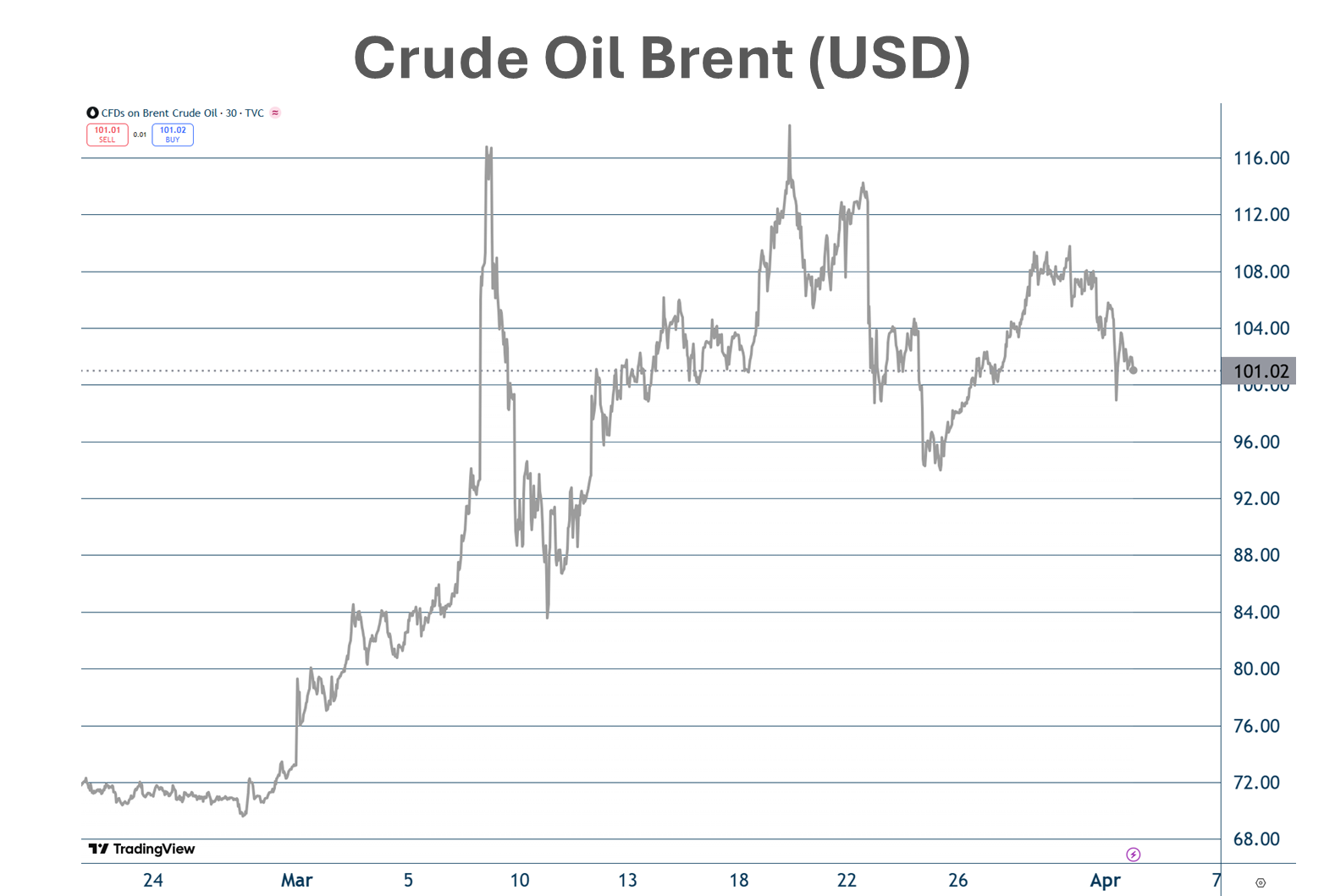
Trump stated that the war may end within weeks, but at the same time, U.S. forces are still being built up in the region and negotiations remain uncertain. The longer the Strait of Hormuz remains closed, the greater the impact on energy prices and the global economy.
2. Israel sees threat diminishing, but tensions remain
The statement by Israeli Prime Minister Benjamin Netanyahu that Iran no longer poses an existential threat to Israel was remarkable. According to him, the main threats, nuclear weapons and ballistic missiles, have been largely neutralized. This can be an important step towards de-escalation.
3. Tensions between US and Europe continue to rise
Trump, meanwhile, lashed out at Europe and NATO again. He called the alliance a “paper tiger” and said that the war in Iran was a test for allies.
According to Trump, some European countries have not provided sufficient support to US operations. He indicated that the response from allies “will be remembered”, further increasing geopolitical tensions and putting pressure on cooperation within NATO.
4. Economic pressure is increasing
The economic consequences are now starting to become clearly visible. The U.S. gasoline price rose above $4 per gallon, the highest level since 2022.

This increases political pressure in the US and could be an important reason for Trump's turn. Higher energy prices affect consumers directly and can slow down economic growth. At the same time, disruptions in energy and raw materials continue to affect supply chains.
5. Powell opts for a cautious tone
Fed Chairman Jerome Powell took a nuanced stance. He indicated that longer-term inflation expectations are still well anchored, despite rising energy prices.
Bond markets reacted positively. Ten-year yields fell as markets began to reckon with interest rate cuts in 2026. Powell stressed that the central bank is closely monitoring the impact of the war, but does not consider a direct policy response necessary for now.
6. Inflation is rising in Europe
In Europe, the impact of the war is now clearly visible. Inflation in the euro zone rose to 2.5%, the biggest increase since 2022, while higher energy prices are causing weaker growth and higher inflation risks.

Markets are now pricing in several interest rate hikes by the ECB. At the same time, some policy makers, including Isabel Schnabel, advocate patience and warn against rash policy responses.
Geopolitical tensions are rising as the US may be heading for de-escalation, with major consequences for energy prices, inflation and the global economy. At the same time, markets and central banks are reacting cautiously, creating both opportunities and risks for investors.

Jeroen Blokland has over 20 years of experience as a professional investor and was formerly Head of Multi-Asset at Robeco, where he was responsible for a client portfolio of over five billion euros. After leaving Robeco he founded True Insights, an independent investment research platform, and has since built a following as a columnist, YouTuber and sought-after speaker. With over 100,000 followers on X, he is one of the most prominent voices in Dutch finance. For GoldRepublic he writes on macro-economics, markets and the role of gold in a diversified portfolio.