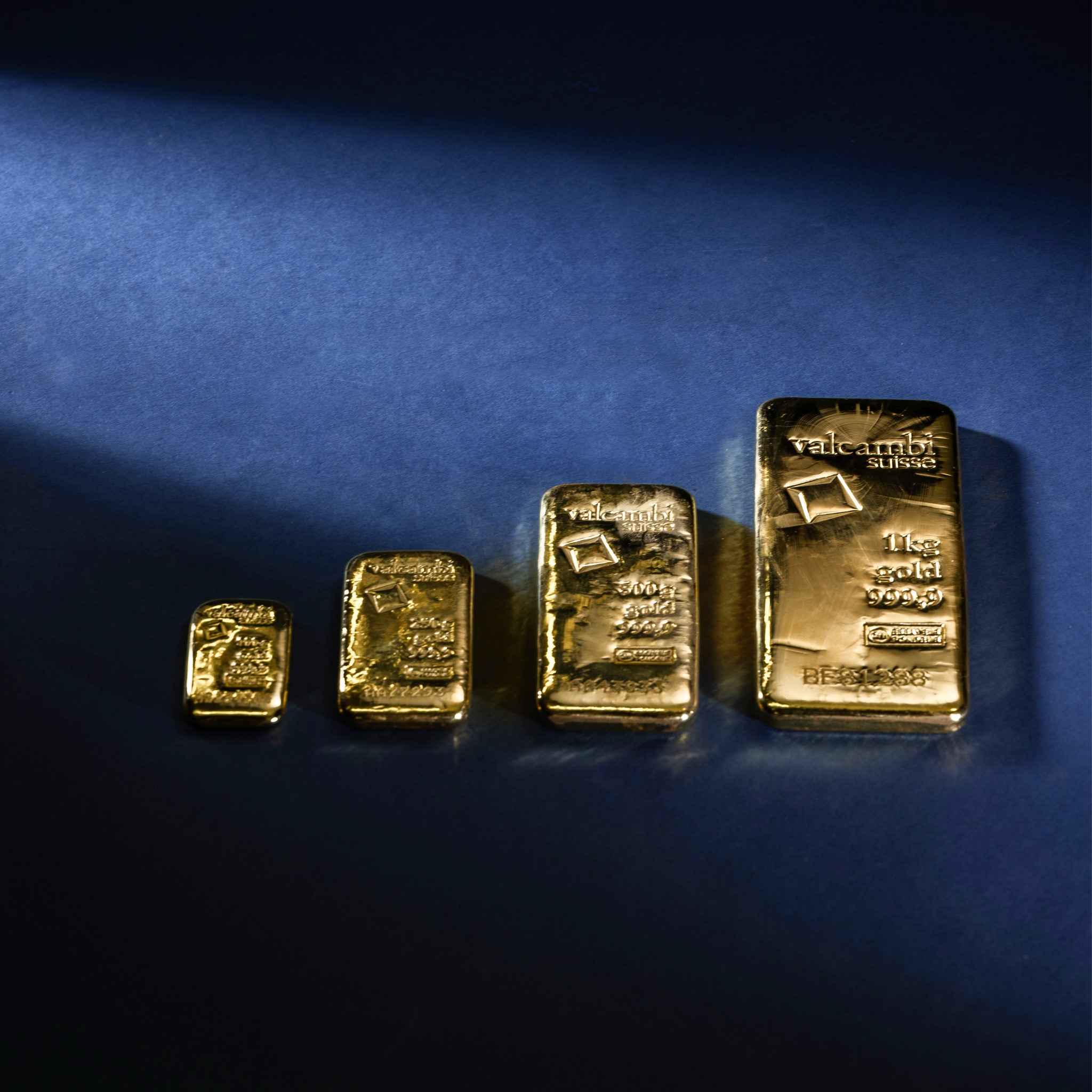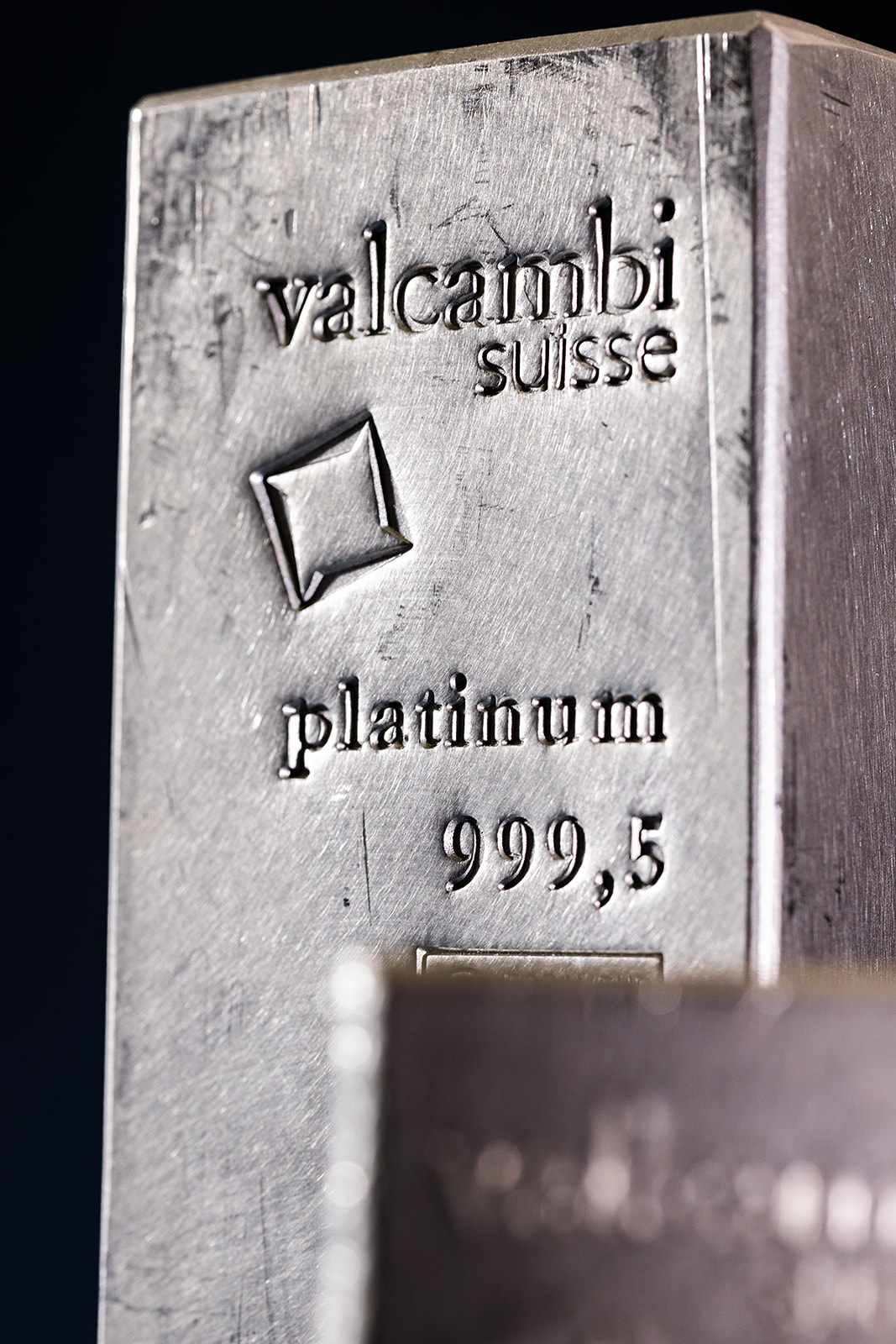


Platinum historically cheap compared to gold and silver
The platinum price is currently historically low against gold and silver. Where the precious metal reached a record in 2007 and was almost 2.5 times more expensive than gold, today we see a completely opposite picture. At the moment, the gold price structurally considerably above those made of platinum.
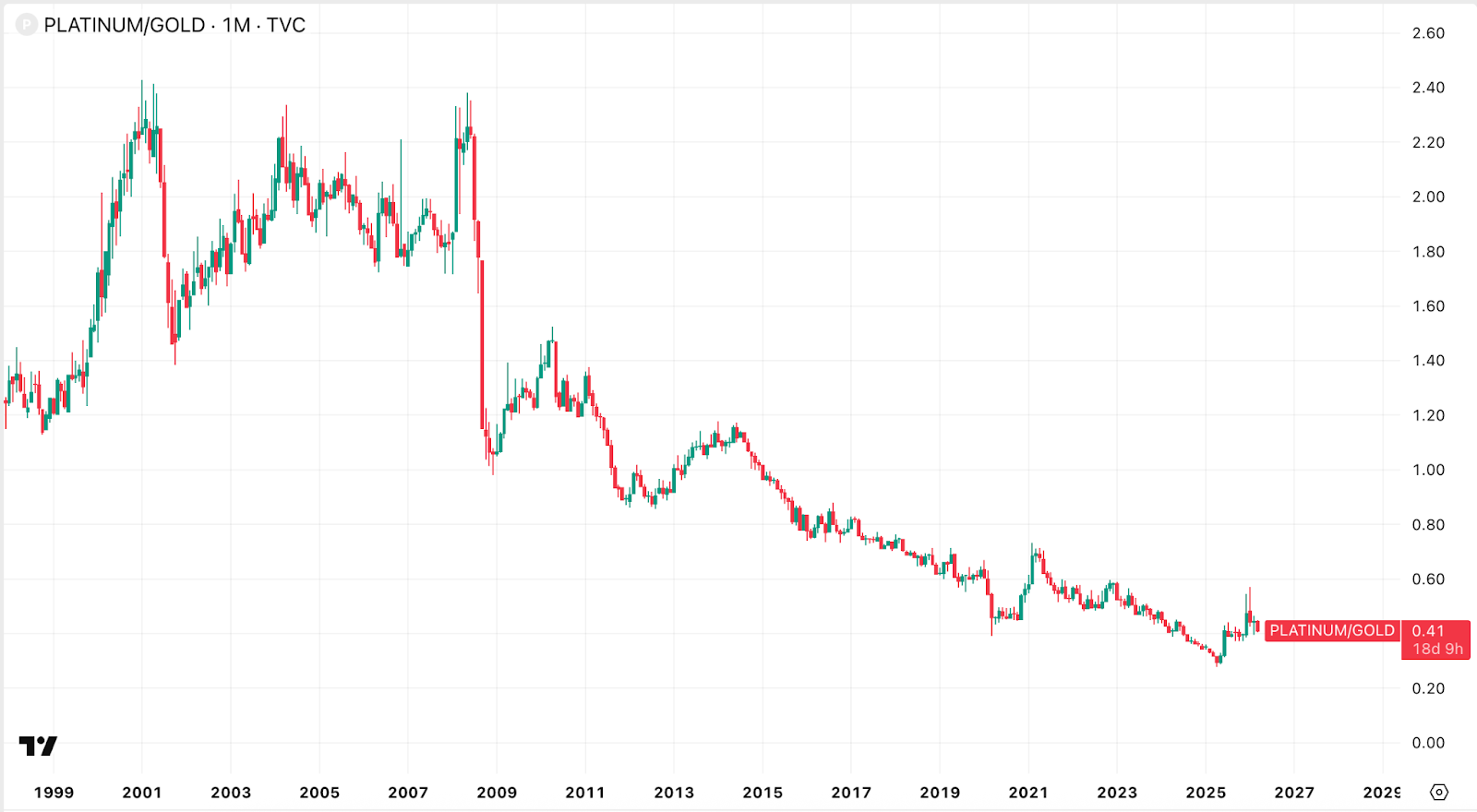
Since the 2008 financial crisis, platinum has been on a long-term downward trend against gold. This is partly due to structural changes in industrial demand. In particular, the declining popularity of diesel cars, and thus a lower demand for catalytic converters, has depressed the valuation of platinum.
However, it is precisely this extreme relative undervaluation that can be interesting from an allocation perspective. This is because, historically, precious metals have cyclical valuation patterns. When the ratios deviate from their average for a long time, the chance of normalization in later phases of the cycle increases.
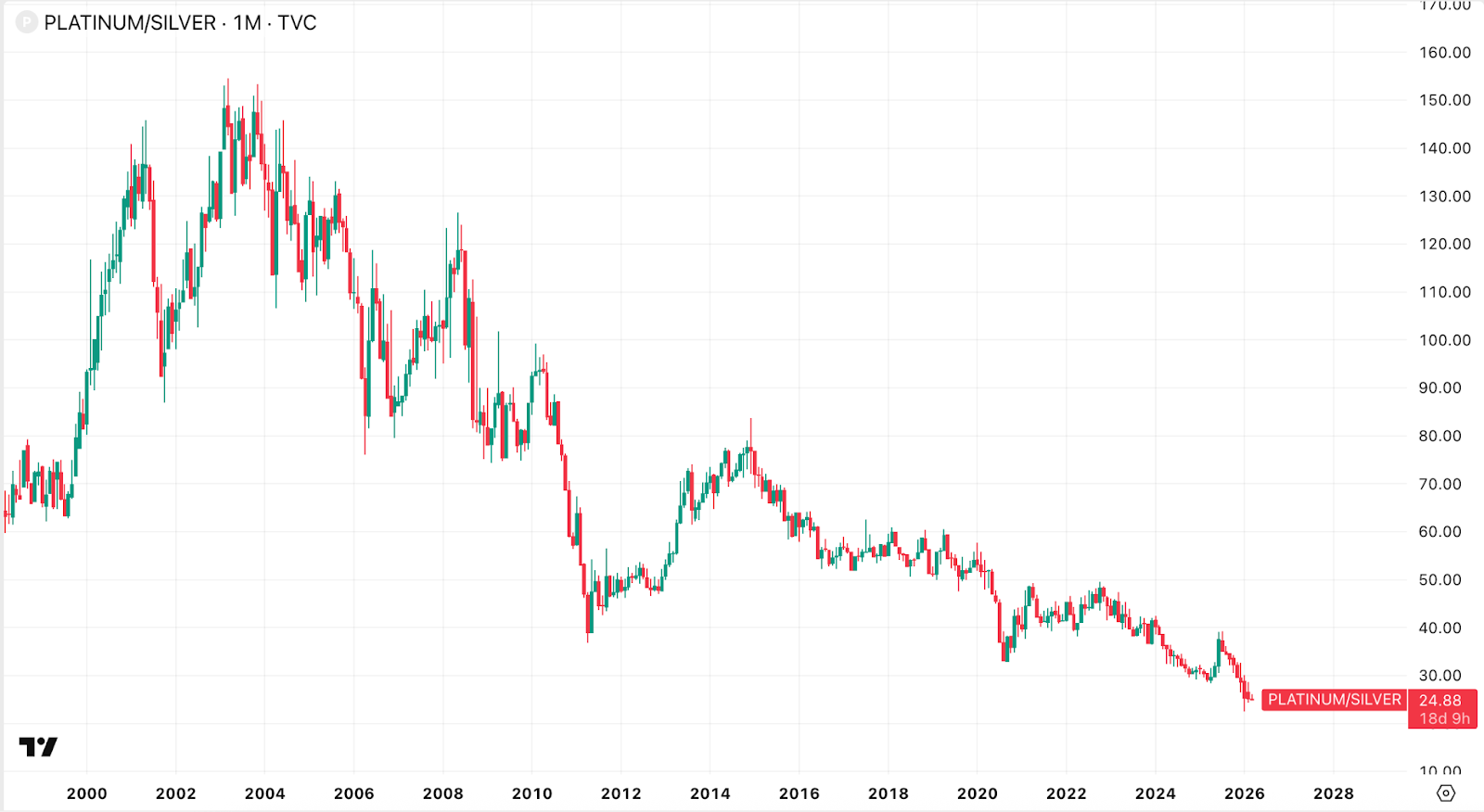
Platinum is also at an exceptional level compared to silver.
A similar image occurs when platinum is deposited against silver. The second graph shows that the ratio between the two metals has also fallen towards historic lows. The silver price has held up relatively better in recent years thanks to a combination of monetary sentiment and industrial applications in, among other things, the energy transition and computer chips.
Of course, guarantees do not exist, but in the financial world, as well as in the commodity markets, ratios regularly return to their long-term averages. In theory, that should offer opportunities for platinum.
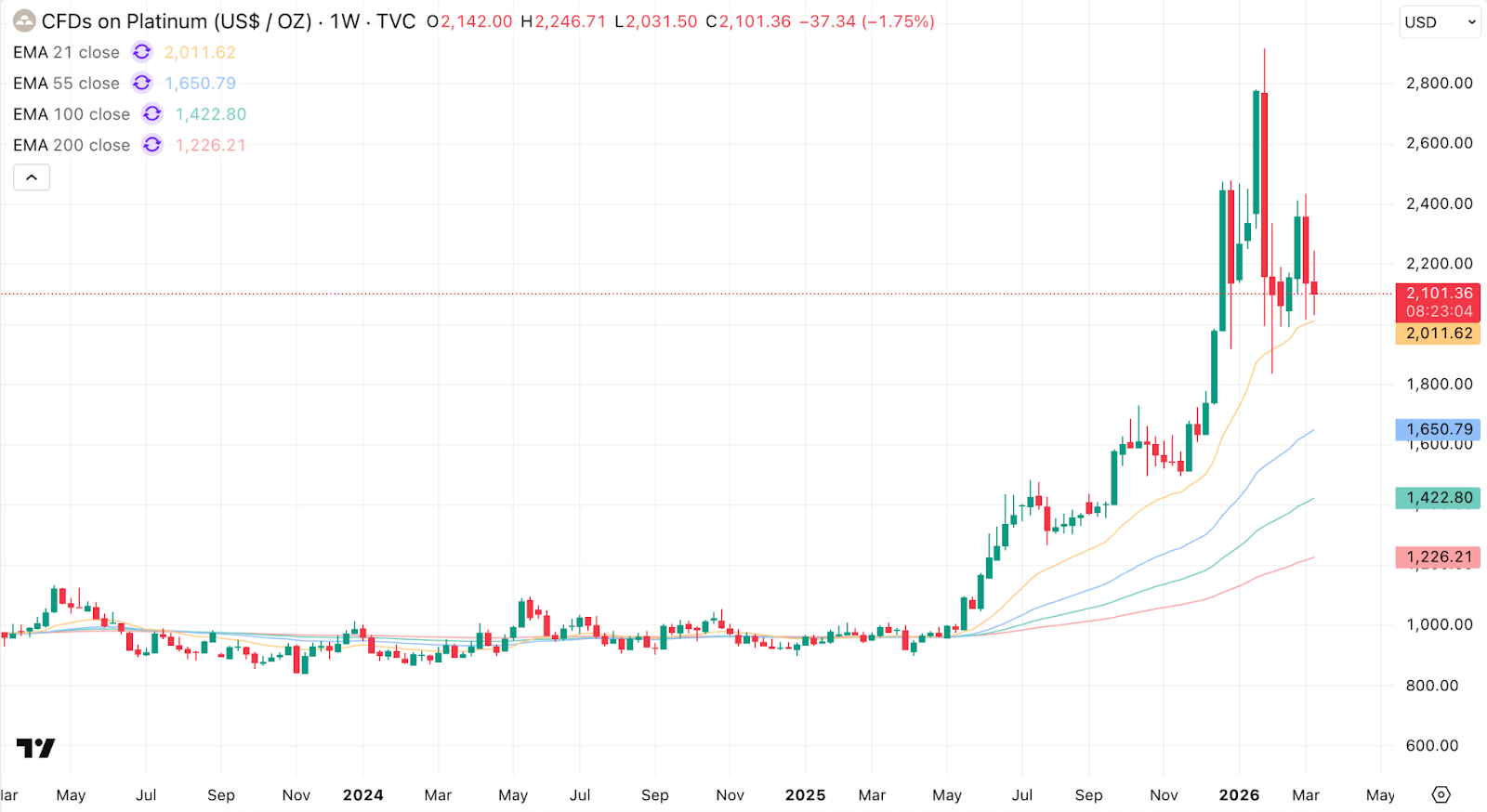
Of course, this is not an argument for a huge allocation, but platinum can be an interesting consideration in this position to diversify. In addition, it seems as if platinum is paying poorly compared to gold and silver, but since April 2025, it has also been on an impressive rise.
The role of platinum in a diversified portfolio
For investors who prefer a broad investment portfolio, platinum can be an interesting diversifier alongside gold and silver.
This is because the metal has a hybrid character. Demand is partly monetary, due to the natural scarcity of platinum. Did you know, for example, that platinum is scarcer than gold? In addition, the demand is also industrial.
As a result, it often responds differently to macroeconomic shocks than traditional safe havens. While gold is strongly driven by interest rate expectations, currency developments and risk appetite, structural demand factors from the real economy also play an important role in platinum.
Simply put, the price fluctuations of gold and platinum are often different because demand does not depend on the same factors. Like silver, industry demand also plays an important role in platinum.
The interesting thing is that this demand comes from different sectors and technologies. That, in turn, is another diversification argument. Silver and platinum both attract demand from industries, but in different ways.
Silver, for example, benefits from applications in electronics, solar energy and semiconductors, so demand is strongly related to trends in digitization and energy transition.
Platinum, on the other hand, plays a crucial role in catalytic processes, the chemical industry and the emerging hydrogen economy. The metal also remains strategically relevant in mobility, from emission technology to fuel cells.
These differences cause the cyclic sensitivity of both metals to vary. In periods of strong industrial growth, silver can respond more quickly to investment cycles in technology and infrastructure, while platinum benefits from developments in transport, energy storage and heavy industry.
For portfolios, this means that a combination of multiple precious metals offers exposure not only to monetary sentiment, but also to a variety of economic trends.
From an allocation perspective, platinum can therefore be seen as a bridge between defensive and cyclical components within a commodity strategy. It is precisely this unique positioning that makes the metal interesting for investors who strive for a robust portfolio that is resistant to various macroeconomic regimes.
Platinum is historically low against gold and silver, a rare opportunity for smart diversification. Learn why this undervalued precious metal may be of interest to your portfolio right now.

Thom Derks writes for GoldRepublic on gold, macro-economics and geopolitics. He studied Law in Leiden and Economics in Amsterdam. His personal fascination with scarcity and store of value through both bitcoin and gold brought him into the world of financial journalism. Through his own newsletter De Geldpers on Substack, he reaches over 5,800 subscribers with analyses on markets, geopolitics and the monetary system.