Gold also hit by oil shock that shakes Wall Street
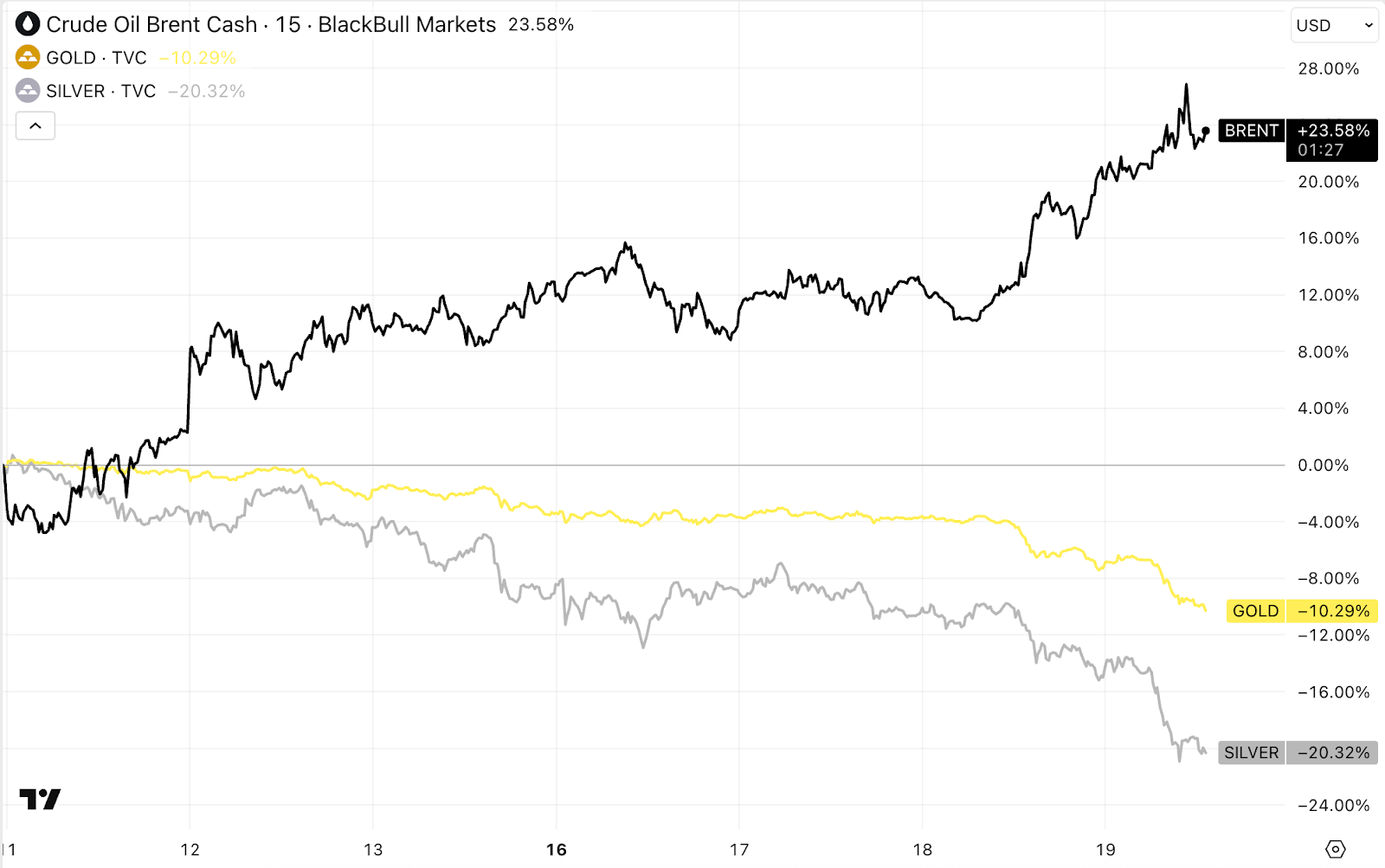
The Iran war remains for volatility and in particular unease concerns in the financial markets. Normally, this is the ideal recipe for an increase in the price of gold, but this has not been the case in recent weeks. This week, too, we see gold mainly included in the overall malaise that prevails on Wall Street.
In this article, we discuss why gold is struggling to hold its own during war in the Middle East.
Why is the gold price falling now?
After all, you would expect gold to benefit from uncertainty. The short-term reality, however, is different. First, it's important to know that price changes are always the result of a cocktail of circumstances. This is no different in this case.
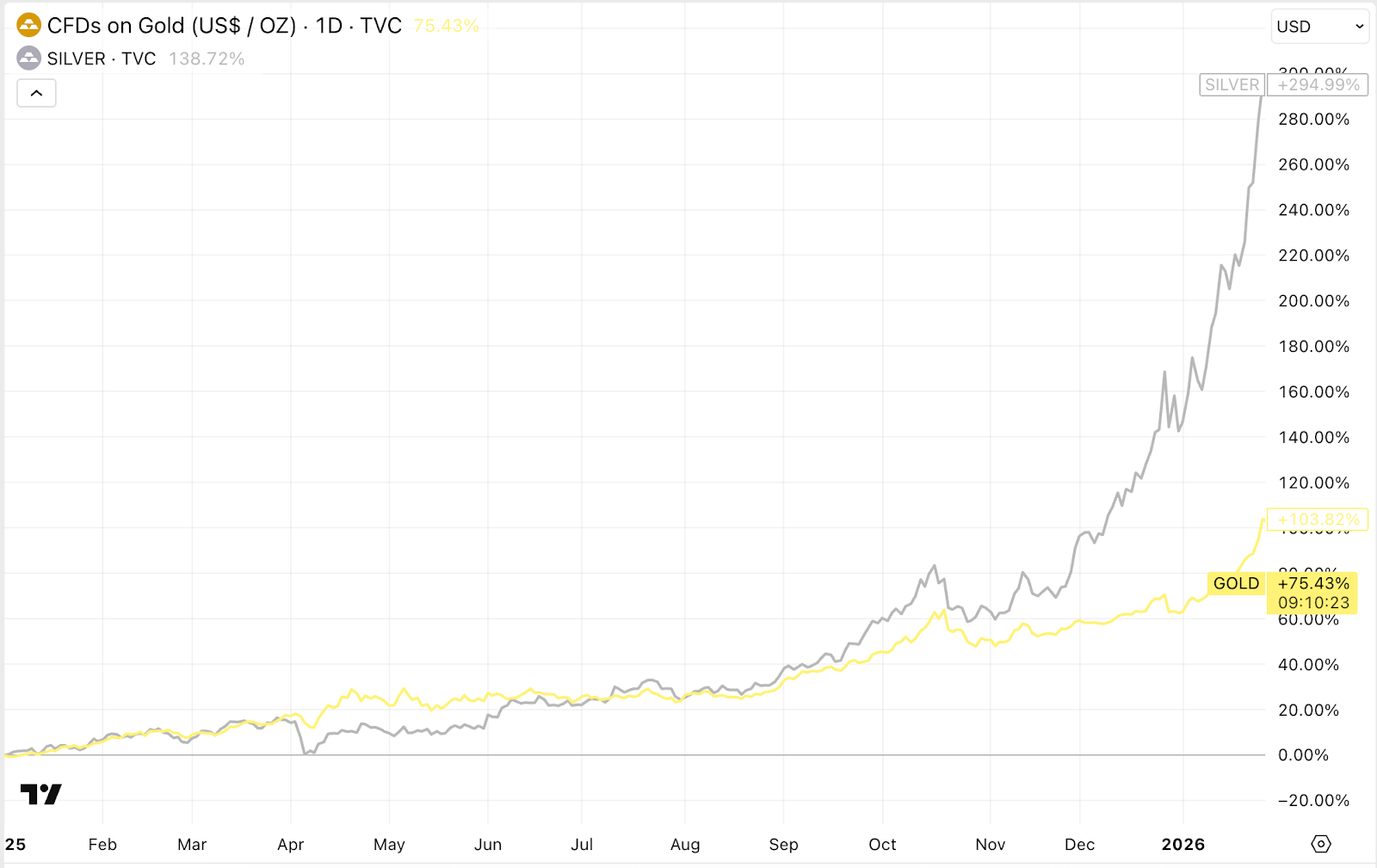
The fact that gold and silver react so markedly negatively to these developments also has to do with the price movements of the past year. Precious metals came from a very strong phase.
From the beginning of 2025 to the end of January 2026, the gold price by over 100 percent, while the silver price jumped almost 300 percent. Since the end of January, precious metals have been in a phase where investors are realizing profits and downward pressure on prices has increased.
So there was already a period of headwind, and then the Iran conflict overcame that. This war, in turn, is causing additional selling pressure, because higher oil prices mean higher inflation (expectations) and little or no room for interest rate cuts.
In the short term, this creates an environment where it is more attractive for investors to choose the US dollar. After all, it pays interest, while gold does not. If those interest rates also rise, the relative attractiveness of the dollar against gold increases.
In any case, this week, the US central bank made it clear that the market does not have to count on interest rate cuts. Until the end of 2026 expects the market now has only one very meager rate cut.
Together, this results in a combination of unattractive conditions for gold in the short term. Despite that, there remains a favourable picture for the precious metal in the longer term.
The long-term overall picture remains positive for gold
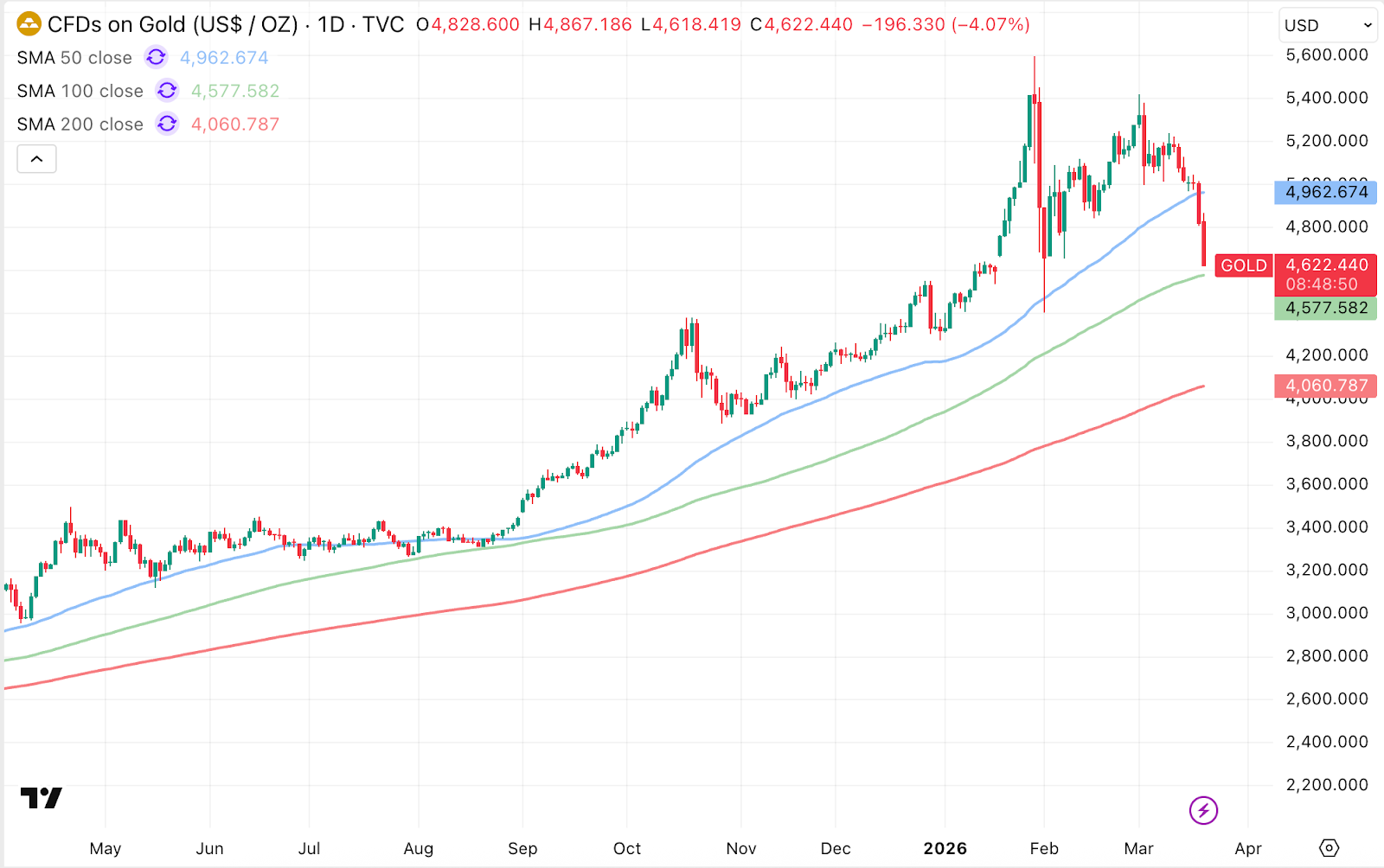
First, at times like this, it's important to take a step back and look at the big picture. This shows, for example, on the daily chart for gold that the upward trend is still intact in the longer term.
It is quite possible that the gold price will support the 100-day average of the price (green), just as it happened in 2024 and 2025.
Furthermore, it is fundamentally important to think carefully about the consequences of this war. If the Iran conflict continues for a long time, it will eventually result in permanent damage to the global economy; higher inflation and lower economic growth.
There will then come a point where central banks will have to step in and support the economy with interest rate cuts and other forms of assistance.
Now we are still in the phase where the situation is actually hurting gold, but that will reverse as soon as central banks are forced to help. Especially in the short term, this type of situation will result in higher inflation and central banks must withdraw, but that retreat has limits.
If central banks have to choose between inflation and the economy, they will almost always choose the economy. Read: should the situation escalate completely and cause a global recession, interest rate cuts will definitely not be omitted because the oil price causes increased inflation.
So for now, gold is wavering, but in the longer term, wars are causing damage to the world. Damage that central banks and governments must repair with financial support. Ultimately, this is often at the expense of the purchasing power of public money, which is exactly what gold essentially protects against.
For example, this conflict can therefore have a negative effect on gold in the short term, while in the longer term it actually strengthens the fundamental basis for an investment. After all, these developments also show how valuable it can be to put part of your assets into an asset that is neutral to politics and the economy. An asset that, in the longer term, does not care about where geopolitical power lies. That is the essence of gold, and the reason why many investors choose to invest part of their wealth in the precious metal.
Gold is under pressure from rising oil prices and a strong dollar, despite geopolitical turmoil. Learn why this can only be temporary and what it means for the long term.

Thom Derks writes for GoldRepublic on gold, macro-economics and geopolitics. He studied Law in Leiden and Economics in Amsterdam. His personal fascination with scarcity and store of value through both bitcoin and gold brought him into the world of financial journalism. Through his own newsletter De Geldpers on Substack, he reaches over 5,800 subscribers with analyses on markets, geopolitics and the monetary system.