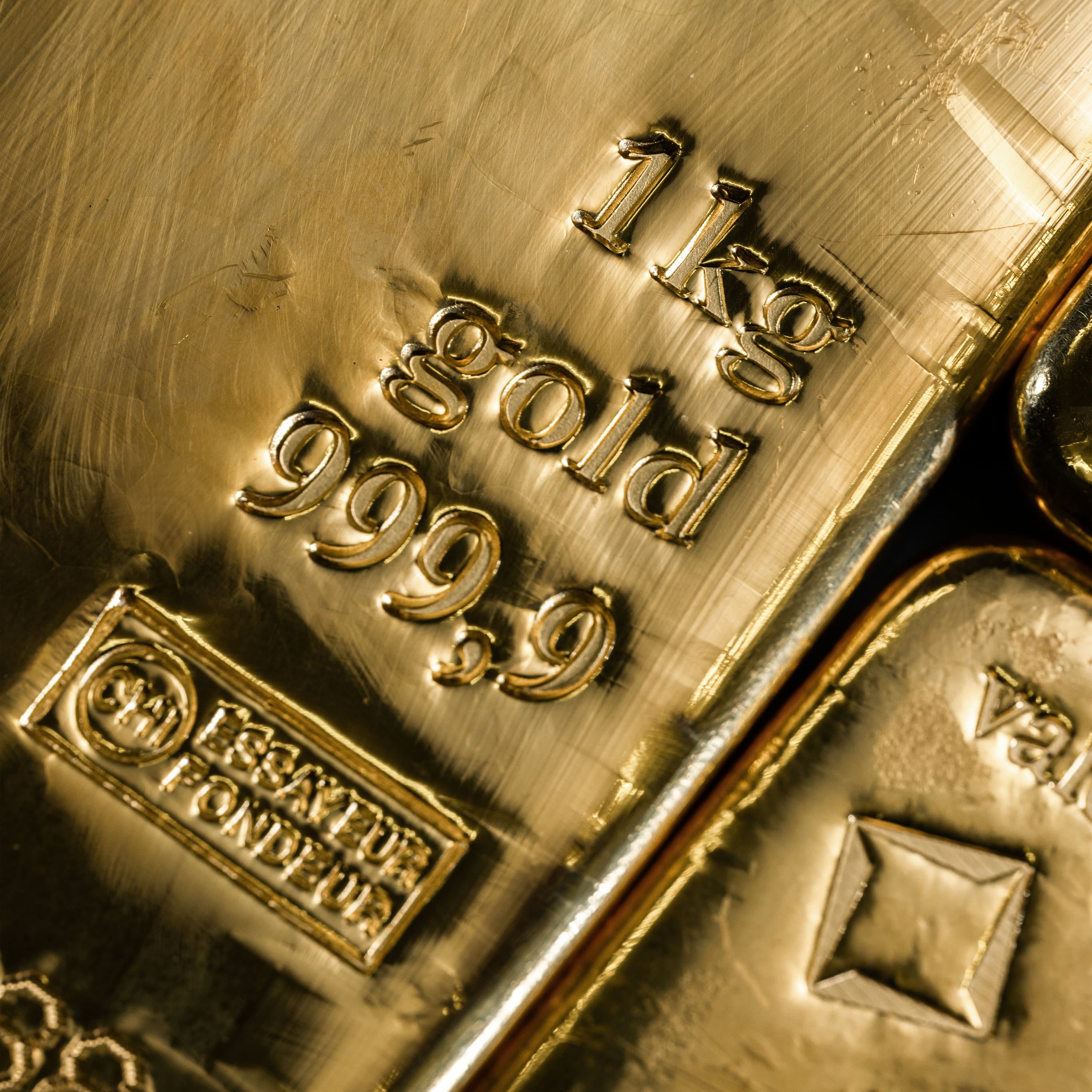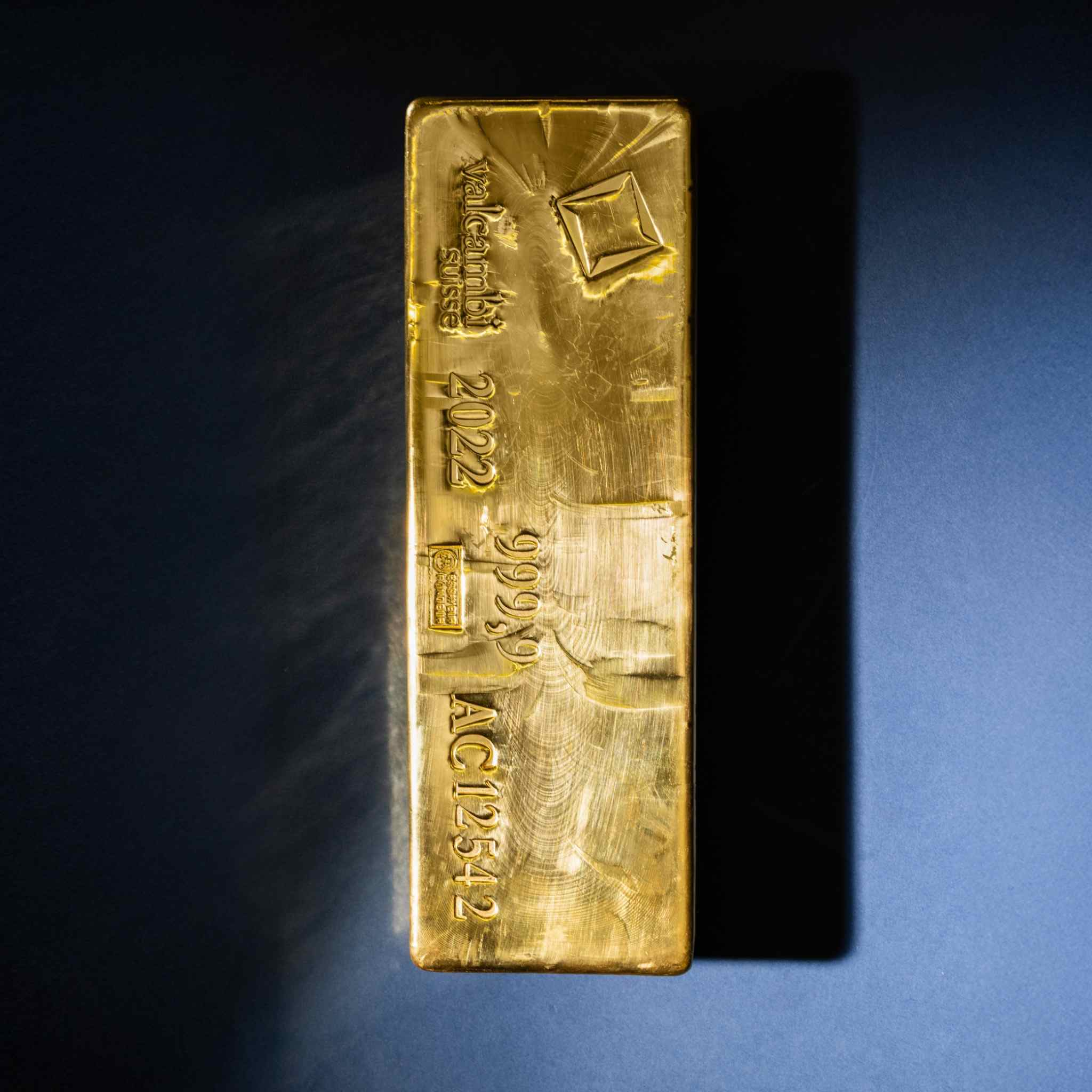


China's gold imports reach highest level since 2024
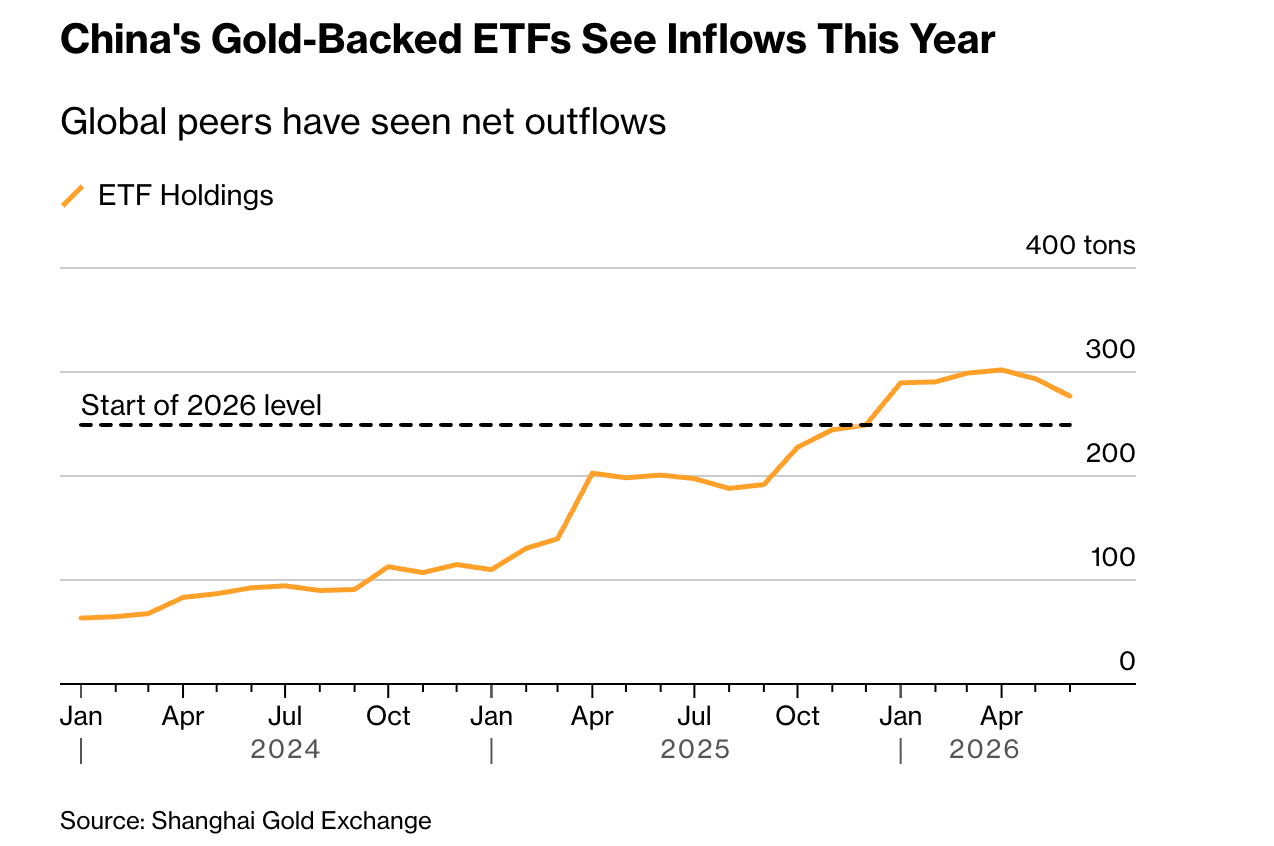
Since the January peak of around $5,600 per ounce, the gold price has fallen sharply. While part of the market panicked, in China the price declines have mainly been used to buy in. In June, Chinese gold imports rose to their highest level in two years.

Zijie Wu, an analyst at Jinrui Futures, told Bloomberg that "investors who bought the dip" were an important driver behind the recent demand from China. Commercial banks in China need to buy gold to guarantee physical backing for retail customers.
This is an interesting signal from China. Normally you'd expect less attention and trading volume during falling prices. Yet June marked the best month in two years — while the gold price is trading around $4,000 per ounce, which is quite a way below the all-time high.
Chinese gold ETFs also saw a net inflow of around 28 tonnes of precious metal in 2026.
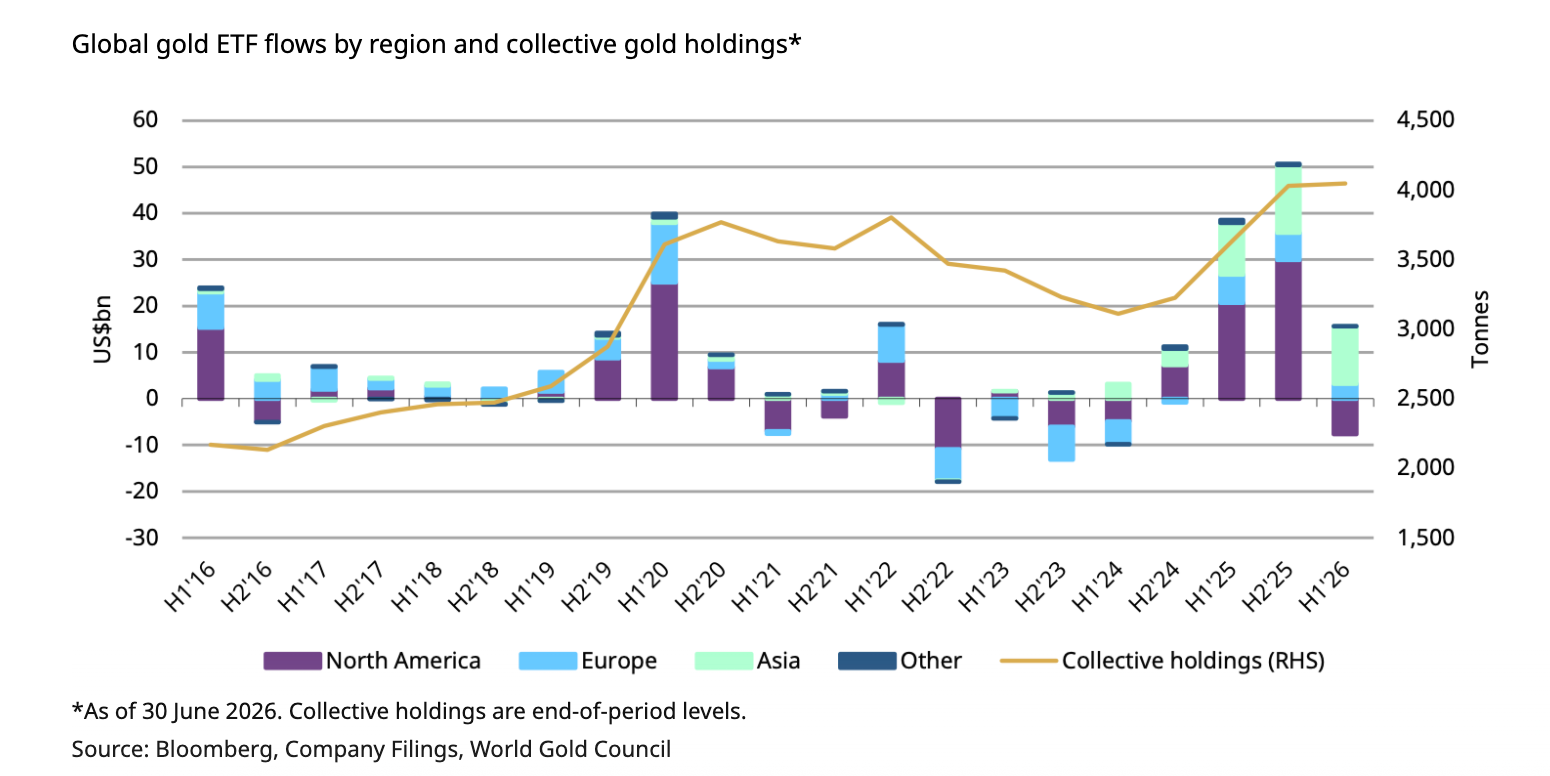
The following chart shows that ETF flows into major gold funds in 2026 are being driven mainly by the Asian market. Until recently, Europe and especially North America were also contributing. That has shifted considerably in the first half of 2026, however.
Gold price stabilises after a difficult period
The market now appears to be reaching a point where the gold price is stabilising. After months of steep declines, buying interest is returning to the market. Particularly around the $4,000 per ounce level, there is a lot of support for the gold price — even though, since the start of July, we've seen rising oil prices and rising real interest rates.
Normally, a rise in real interest rates should have a negative effect on the gold price. After all, gold pays no yield, which makes dollar assets that do pay interest more attractive relative to the precious metal.
Yet we're currently seeing no further price declines in gold, and even a number of attempts to break higher. That's a powerful signal for gold. For now those breakouts have been rejected, but it's clear we're at an interesting point for the gold price.
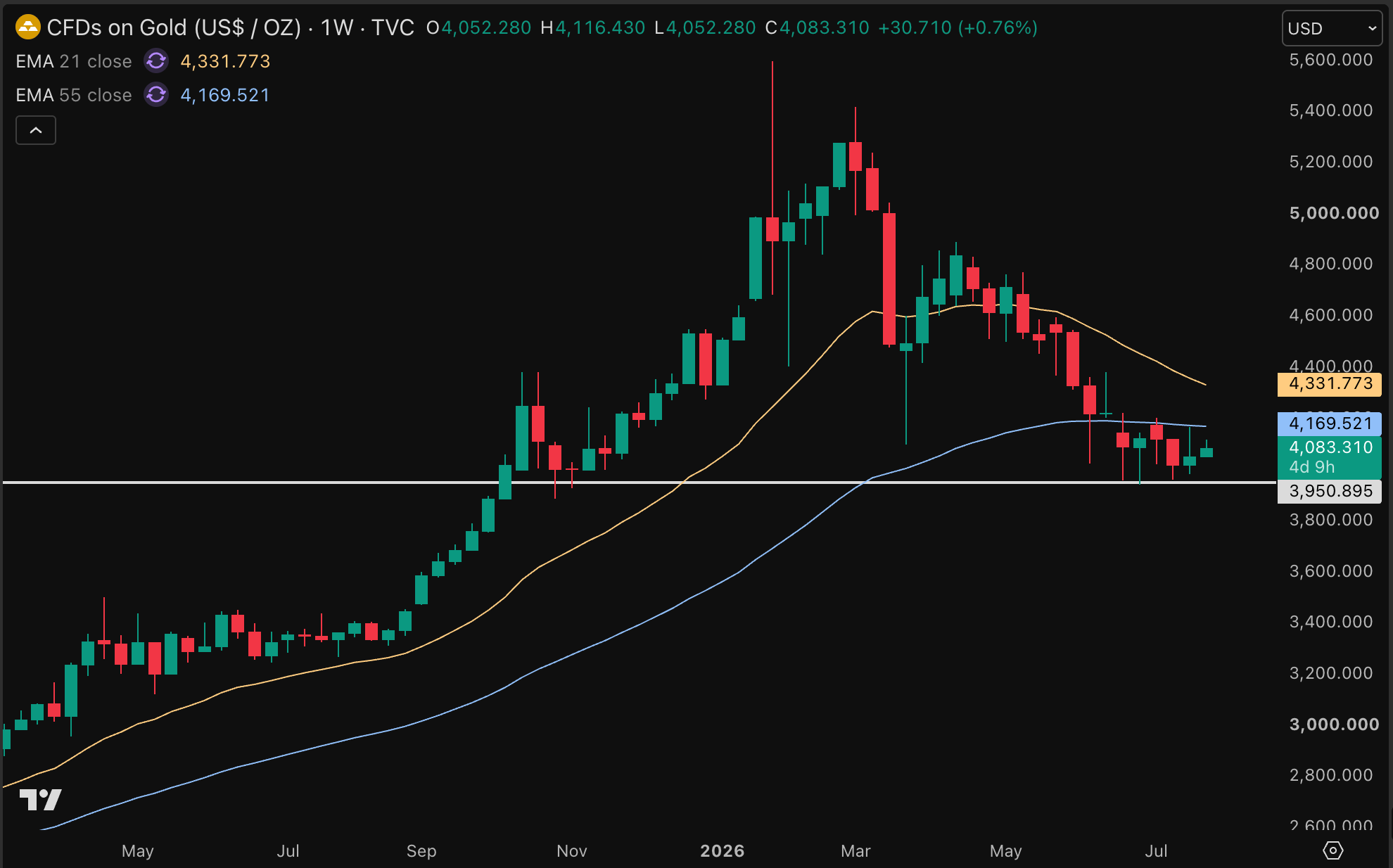
The following chart shows that gold is finding a lot of support around the $3,950 to $4,000 level. Every time the price dips towards that level, a recovery quickly follows. On the upside, however, the gold price faces significant resistance from the 55-week exponential moving average, represented here by the blue line at $4,169.
In China, these developments are of course also being watched. Investors there have most likely concluded that this price behaviour signals an interesting moment to invest in gold.
Alongside the technical picture, there are also plenty of fundamental arguments for building up a gold position.
- We're seeing tentative cracks appear in the AI narrative. Last week, shares in Alphabet, Google's parent company, fell after its quarterly results were presented. Investors are no longer satisfied with the mere promise of enormous sums being invested in AI. At this point in the cycle, they also want to see results. The investments need to deliver returns. Investors are therefore becoming stricter, which could (partly) shift attention away from equities and, in theory, towards gold.
- The global economy leans heavily on the AI revolution. If a period of disappointments emerges there, there's a good chance governments and central banks will need to step in with support. In that scenario, attention could well shift back to gold.
- The AI revolution is creating a degree of uncertainty about the future distribution of power in the world. What happens to companies such as Apple, Nvidia, Tesla and other American giants if China wins the AI race and becomes the world's economic power centre? Would that affect equity valuations? Probably. That uncertainty makes gold attractive as an independent diversification tool.
Gold has served as an independent and reliable diversifier for entrepreneurs and investors for thousands of years. As global uncertainty grows, the case for it has only become stronger.
China is buying gold again en masse as the gold price stabilises. Why investors are using the price dip to grow their gold position.

Thom Derks writes for GoldRepublic on gold, macro-economics and geopolitics. He studied Law in Leiden and Economics in Amsterdam. His personal fascination with scarcity and store of value through both bitcoin and gold brought him into the world of financial journalism. Through his own newsletter De Geldpers on Substack, he reaches over 5,800 subscribers with analyses on markets, geopolitics and the monetary system.


.jpg.jpg)