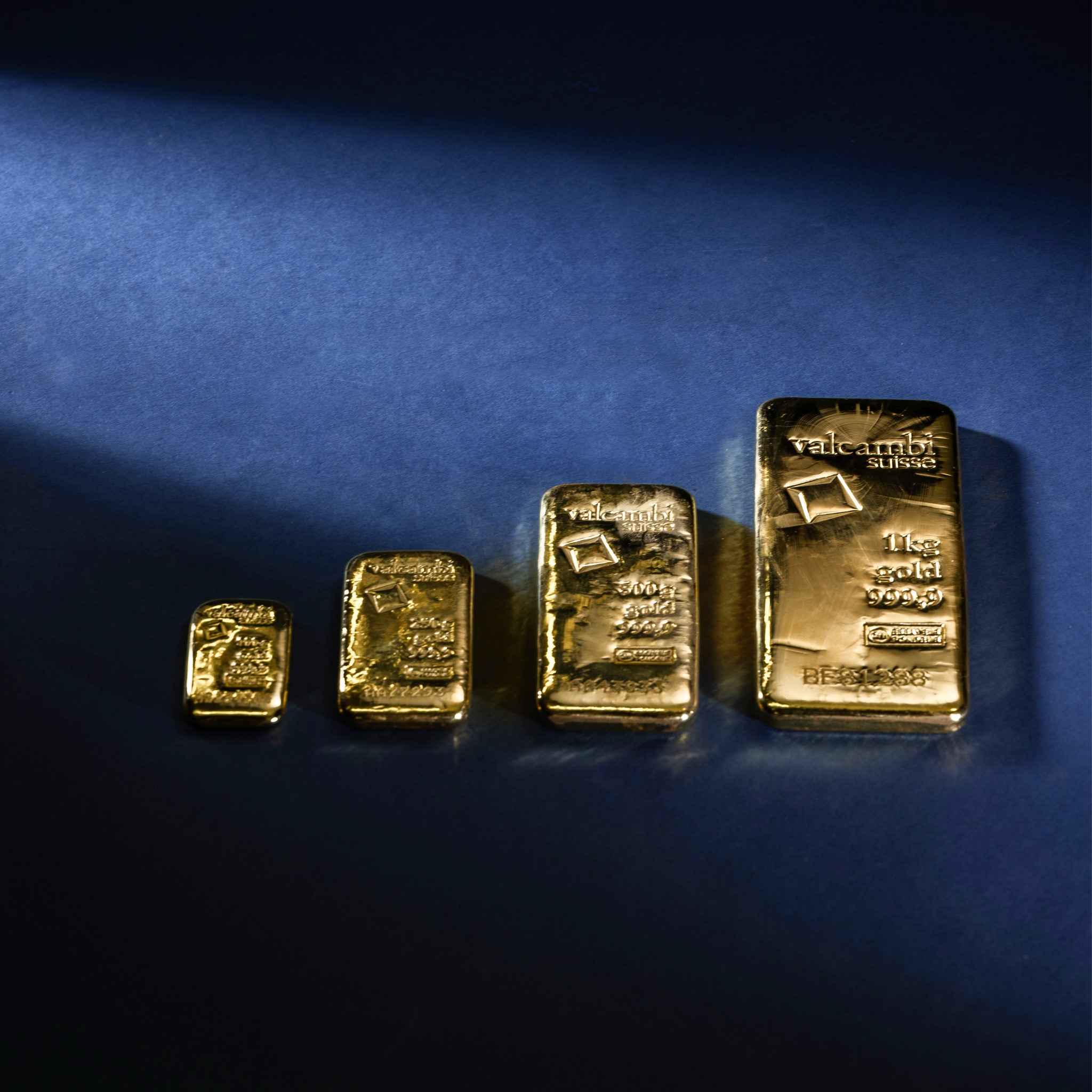


Received your bonus pay? Here's how gold performed over the past year
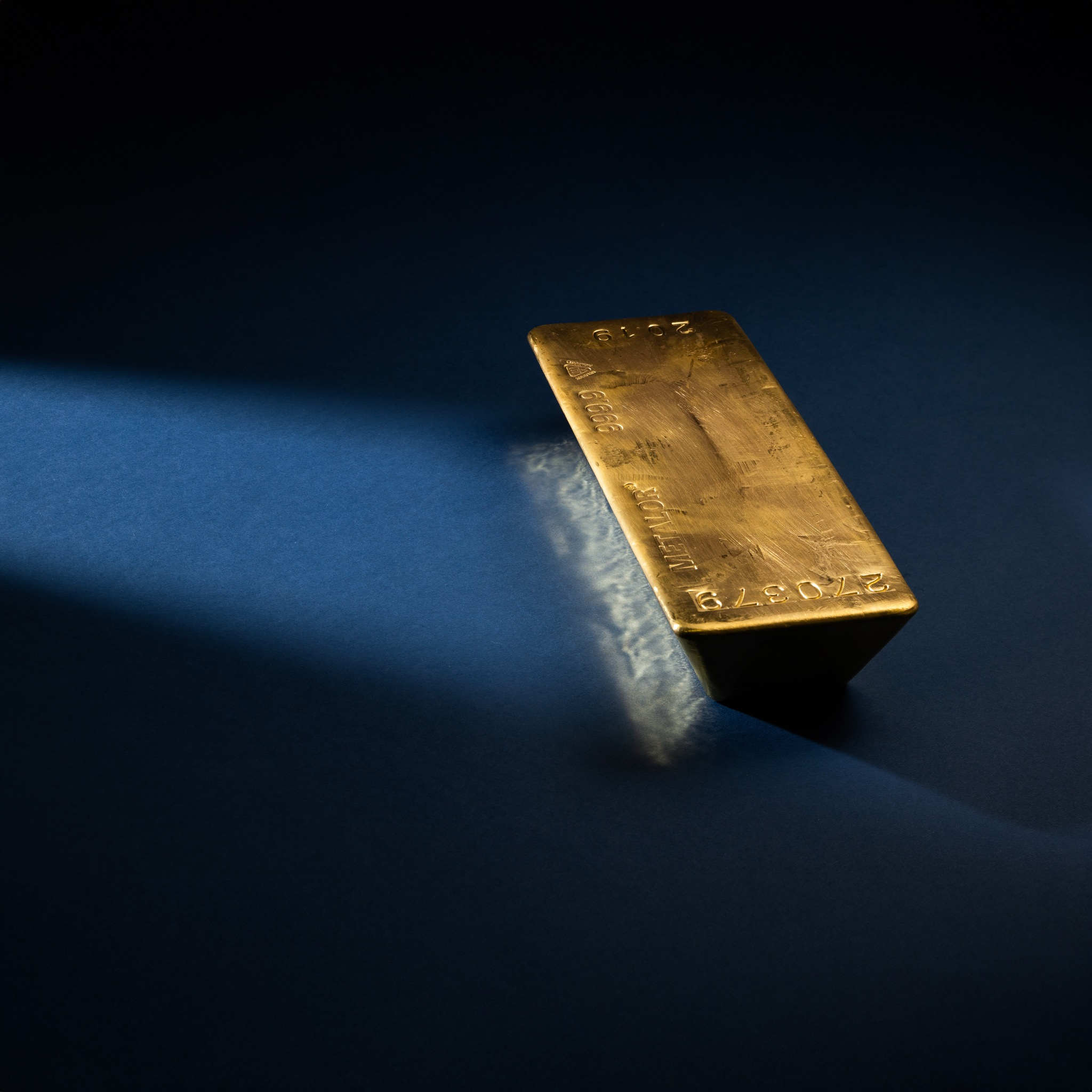
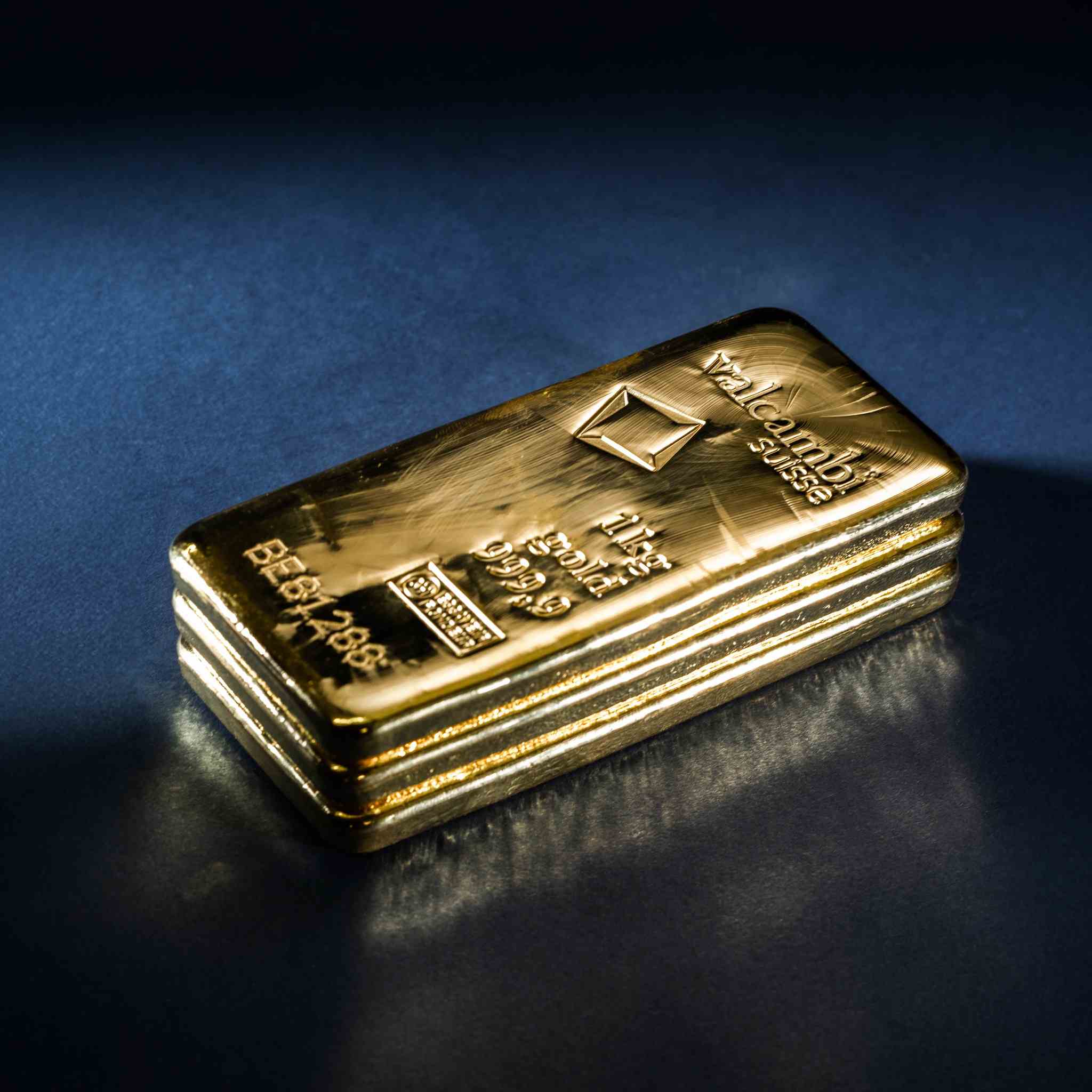
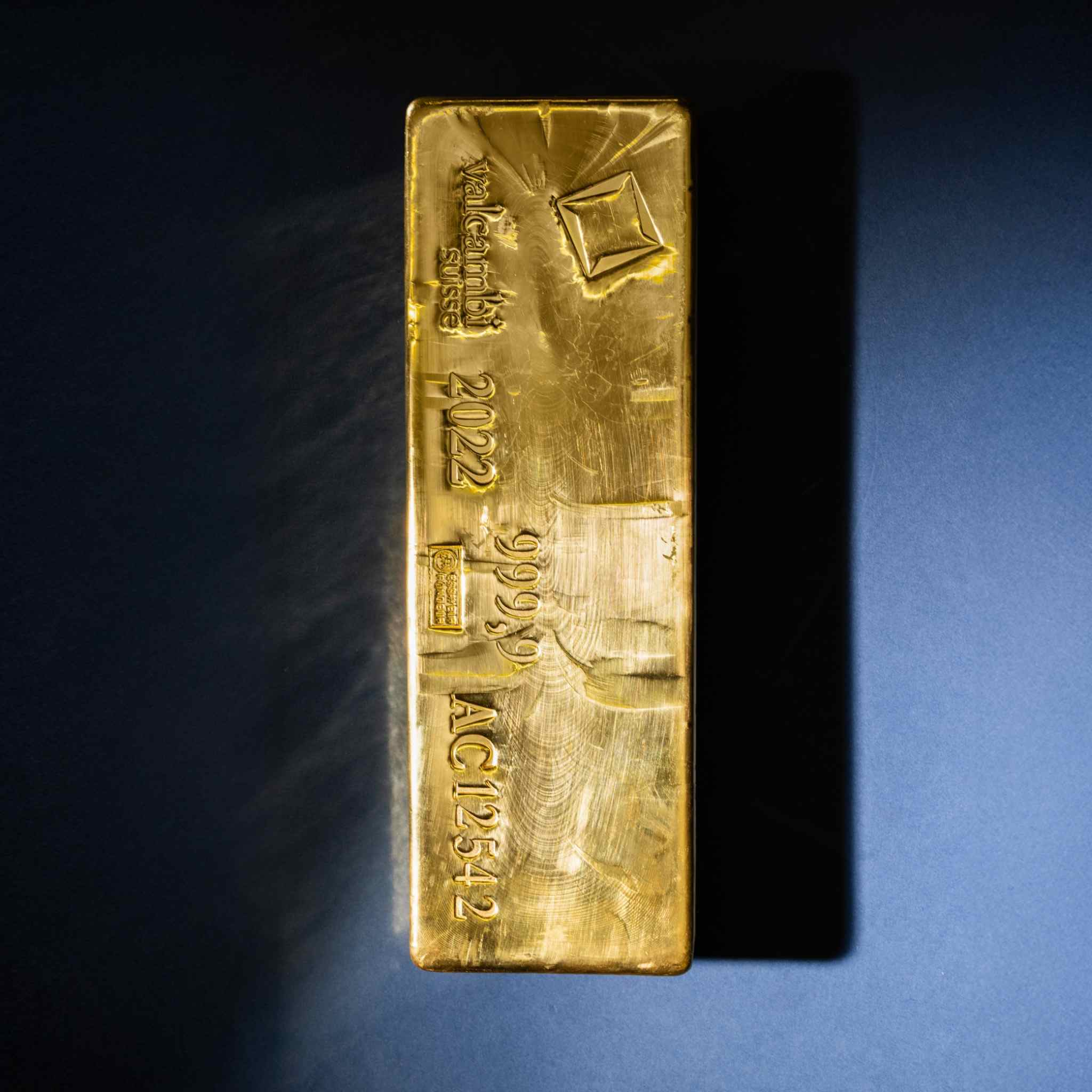
This time of year, many American workers receive some form of bonus pay - whether that's a performance bonus, a profit-sharing payment, or an annual incentive. The question is always the same: what do you do with it? For most people, it goes toward a vacation, the savings account, or a larger purchase. But what if you had put that money into gold a year ago?
Unlike many European countries, the US has no statutory holiday allowance or mandatory bonus system. Bonuses are entirely at the discretion of the employer, shaped by industry norms, company performance, and individual contracts. That said, tens of millions of American workers receive some form of extra pay each year — and the question of how to put that money to work is just as relevant.
To illustrate what a gold investment would have returned, we compare the gold price on May 22, 2025 with that of May 22, 2026.
On May 22, 2025, gold was priced at approximately $3,380 per troy ounce. A year later, the gold price stood at around $4,500 per troy ounce. That represents a rise of approximately 33 percent in twelve months.

Someone who invested $2,500 in gold a year ago would now be sitting on roughly $3,325. That is a gain of around $825.
In hindsight, putting your bonus into gold paid off handsomely. That offers no guarantee for the year ahead, of course, but the fundamental case for gold remains firmly intact.
Inflation Returns as a Theme
In the background, an old theme is making a comeback: inflation. The war in Iran has fuelled global fears of a new energy crisis. If oil and gas prices rise further, that could reignite inflationary pressure.
The first signals are already visible in bond markets. Investors are demanding higher yields on government bonds, pricing in higher inflation and potentially tighter central bank policy. UK gilt yields are reflecting these same concerns, adding pressure to an already stretched public finances picture.
It is not just US Treasury yields that are rising. In Europe and Japan, rates are also under upward pressure, and the UK is no exception.
For gold, this is a mixed picture in the short term. Higher interest rates and a stronger US dollar can temporarily weigh on the gold price. But the longer-term picture becomes more compelling precisely because of this.
Higher rates make it more expensive for governments to finance their debts. And that is one of the most important arguments for gold.
Governments Are Sinking Deeper into Debt
The debt positions of governments worldwide are already fragile, and the current situation is making that problem worse. The UK is no exception. With public debt above 100 percent of GDP and ongoing pressure on public finances, the headroom for manoeuvre is limited. Rising borrowing costs make every percentage point of debt more expensive to carry, and the options available to the Treasury are narrowing.
Globally, the picture is comparable. The United States is on course for a fiscal deficit of approximately $1.9 trillion this year, equivalent to 5.8 percent of GDP. According to the Congressional Budget Office, Washington will pay more than $1 trillion in net interest on the national debt in 2026 alone. Roughly 14 cents of every federal dollar spent goes not toward defence, healthcare, or social security, but toward servicing past borrowing.
The war in Iran, higher inflation, and rising market rates are not making this problem smaller. If anything, the likelihood is growing that governments will need to take on new debt to refinance existing obligations and cover ongoing deficits.
That theoretically creates a better long-term environment for gold, particularly if investors begin to lose confidence in the sustainability of public finances and the purchasing power of sterling and other currencies.
Gold as Protection Against Political Uncertainty
There is a second argument: geopolitical uncertainty.
The world has become more unstable. The war in Iran is creating tension on energy markets, while the battle for technological dominance between the United States and China is becoming increasingly consequential.
Nobody can say with certainty right now whether America will win the AI arms race, or whether China will eventually take the lead. That uncertainty makes assets that are independent of political and economic outcomes more attractive.
Put simply: gold does not care whether America or China leads the world tomorrow. For shares in companies like Apple, Google, or Nvidia, that question could be everything.
In this context, gold becomes relatively more attractive. Not because your entire portfolio should consist of gold, but because a modest allocation can provide a counterweight to inflation, debt problems, and geopolitical uncertainty.
Silver Could Benefit Twice Over
Gold is not the only precious metal worth considering. Silver deserves attention too.
Silver has a distinctive profile. On one hand, it resembles gold in that investors can buy it as protection against inflation, currency debasement, and financial uncertainty. On the other hand, the silver price is much more closely tied to the real economy.
The metal is used in solar panels, electronics, electric vehicles, semiconductors, and a wide range of industrial applications. This means silver can benefit not only from the same monetary concerns as gold, but potentially also from the structural growth of the AI economy.
Because behind artificial intelligence lies an enormous physical infrastructure. Data centres, chips, power grids, cooling systems, solar panels, batteries, and other industrial applications all require raw materials. Silver plays a far larger role in that than many investors realise.
Silver therefore theoretically has two engines behind it. If inflation returns and investors seek protection, silver can benefit as a monetary metal. And if the AI revolution continues to drive massive investment in infrastructure and electrification, silver can also benefit as an industrial metal.
That makes silver more exciting than gold, but also more volatile. The silver price tends to rise more sharply during periods of optimism, but can also fall more steeply when the economy cools or investors become more risk-averse.
Not Exciting, but Smart
Investing in gold or silver may not be the most spectacular use of your bonus pay. But in the current environment, it can be a genuinely smart move.
Gold offers protection primarily against inflation, government debt, and geopolitical uncertainty. Silver adds an extra dimension, as it can also benefit from structural demand driven by the AI economy and the energy transition.
That does not mean putting all your bonus into precious metals. But anyone looking for a way to make their wealth a little less dependent on stocks, bonds, and currencies will find it hard to ignore gold and silver.
Especially in a world where inflation is returning, debts keep rising, and the balance of power is being redrawn by AI.
Many American workers receive bonus pay this time of year. Why gold and silver could be a smart destination in times of inflation, debt and geopolitical uncertainty.

Thom Derks writes for GoldRepublic on gold, macro-economics and geopolitics. He studied Law in Leiden and Economics in Amsterdam. His personal fascination with scarcity and store of value through both bitcoin and gold brought him into the world of financial journalism. Through his own newsletter De Geldpers on Substack, he reaches over 5,800 subscribers with analyses on markets, geopolitics and the monetary system.