Investing in gold: what are your options?
You're considering investing in gold. But what options are there? What are the pros and cons of each, and which one suits you best?
Physical gold: the safest choice?
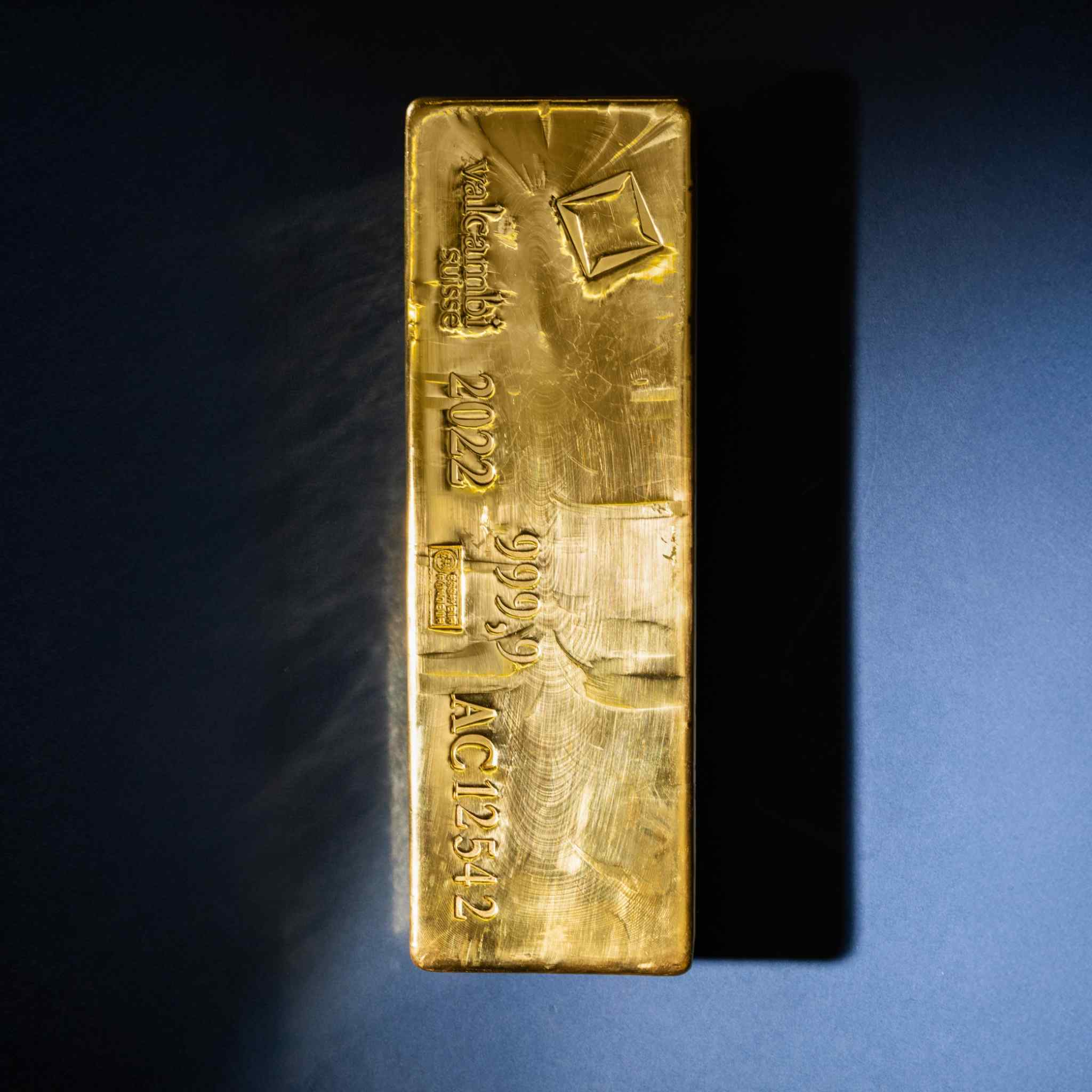
Investing in physical gold means your investment is genuinely tangible, with no counterparty risk. Physical gold is known for offering good protection against inflation or economic crises, because gold retains its intrinsic value and is easily tradeable worldwide.
Through GoldRepublic, your physical gold is stored in independent vaults, so you're not exposed to the risks of storing it at home. You also benefit from the buyback guarantee on all our precious metals, meaning you can sell your gold back to us at any time at the current gold price.
Because you own tangible gold, it can't simply disappear due to bankruptcies or digital hacks, unlike other ways of investing in gold. By investing in physical gold, you add a value-retaining investment product to your portfolio, with peace of mind as a key benefit.
Other ways to invest in gold (in detail)
Gold ETFs
A gold ETF (Exchange Traded Fund) is an investment fund that tracks the market price of gold without you having to hold physical gold. They're freely traded on the stock exchange, additional costs are generally low, and you can often start investing with just a small amount.
The downside is that you have no direct physical ownership of the gold, and the fund carries management fees that can eat into returns.
Gold mining shares
Through a broker, you can invest in a gold mining share. This is an indirect way of investing in gold, since you're not actually investing in gold itself, but in a mine where gold is extracted.
Gold mining shares benefit from rising gold prices because mining operating costs are relatively fixed. This means any additional rise in the gold price directly improves results, leading to a larger share price gain than the gold price itself. This can make gold mining shares attractive to investors seeking higher returns who are willing to accept the typically higher volatility.
Gold futures/options
Gold futures and options are derivative products that allow investors to speculate on the future gold price.
A gold future is a binding contract to buy or sell a set amount of gold on a future date at an agreed price. Options, on the other hand, give the right (without the obligation) to buy (call) or sell (put) gold at a strike price, meaning the maximum loss is limited to the premium paid. These instruments are traded on exchanges such as CME Globex. It's generally recommended to only invest in gold futures with sufficient experience, given the extreme volatility and high risk of losses.
Building an investment portfolio with gold
Gold is often seen as an interesting addition to an investment portfolio, because the gold price typically has little correlation with the price of many stocks and bonds. As a result, gold helps limit fluctuations in the overall portfolio.
If you want to add gold to your investment portfolio, you have several options. You can choose one of these, or of course combine several. The percentage of gold in a portfolio depends on the investor's risk profile and investment goals. For cautious investors who prefer not to take on too much risk, a range of 5% to 10% may be appropriate. They're also more likely to opt for gold investments known for broad diversification and low risk, such as physical gold or gold ETFs.
More adventurous investors who are willing to take on more risk can go for percentages of 10%-15% or higher. They're also more likely to opt for the more volatile gold investments, such as gold futures or options.
When is a good time to buy gold?
Ideally, an investor buys gold when the gold price is low and sells that gold position again when the price is high. That way, returns are highest.
Looking back in time, the following moments have historically been good times to buy gold:
- During or shortly after a crisis: in 2008, the credit crisis broke out. Confidence in banks fell and the gold price shot up. The gold price also rose in 2020, at the start of the coronavirus pandemic.
- During negative real interest rates: when interest rates are lower than inflation. Savings and bonds effectively yield nothing in real terms, and gold becomes relatively more attractive.
- At the start of interest rate and inflation cycles: when inflation starts to rise and central banks' interest rate policy is (still) lagging behind. Gold often anticipates before central banks respond.
- During geopolitical uncertainty: in times of war and tension, gold can be an interesting investment, since it carries no claim on a state or counterparty.
Still, no one can predict exactly what the gold price will do. That's why it's very difficult to time buying and selling moments precisely.
As a general rule in investing: the longer an investment is given time, the greater the chance of a higher return. That's why it can be attractive to start buying gold as early as possible and only sell over the long term. This increases the chance that your gold investment will grow in value.
Only invest in gold with money you can afford to do without for now, and be aware of the risks involved in investing in gold: you could lose (part of) your investment.
Buying gold monthly or all at once?
If you invest a large amount in gold all at once, it could easily be that the gold price is high and then falls. Conversely, the gold price could also be low and then rise sharply. But since no one can predict the market, it can be more attractive to spread your investment amount over several months. This is also known as dollar-cost averaging. This way, you capture multiple buying moments, with the price sometimes relatively high and sometimes relatively low. This spreads your risk and increases the chance that you buy gold at favorable moments.
Through GoldRepublic, you can invest in gold periodically via our Gold Savings Plan. This is possible from as little as €50 or 1 gram of gold per installment, and runs entirely automatically. Every week, two weeks, or month, you buy the amount of gold you want at the current gold price. Transaction costs on this savings plan are also 50% lower than when buying gold as a one-off, meaning your net return is higher.
Silver or platinum as diversification
Besides gold, you could also consider investing in silver or platinum for extra diversification in your investment portfolio.
Silver is more volatile and has significant industrial potential, while platinum is scarcer and therefore more sought-after. You can buy both precious metals through GoldRepublic as well: as a one-off purchase or with our monthly savings plans.
Gold offers various investment opportunities, from physical gold to ETFs and derivatives, with each option suited to a different goal and risk profile.

Bart Brands is precious metals specialist at GoldRepublic and the face of the company towards customers and media. His interest in precious metals was sparked during the financial crisis and deepened through his background as a security expert and geopolitical analyst. He hosts the weekly podcast GoudKoorts with over 45,000 YouTube subscribers, regularly speaks at events on precious metals and authored the book Chaos zonder Goud!