.jpg.jpg)


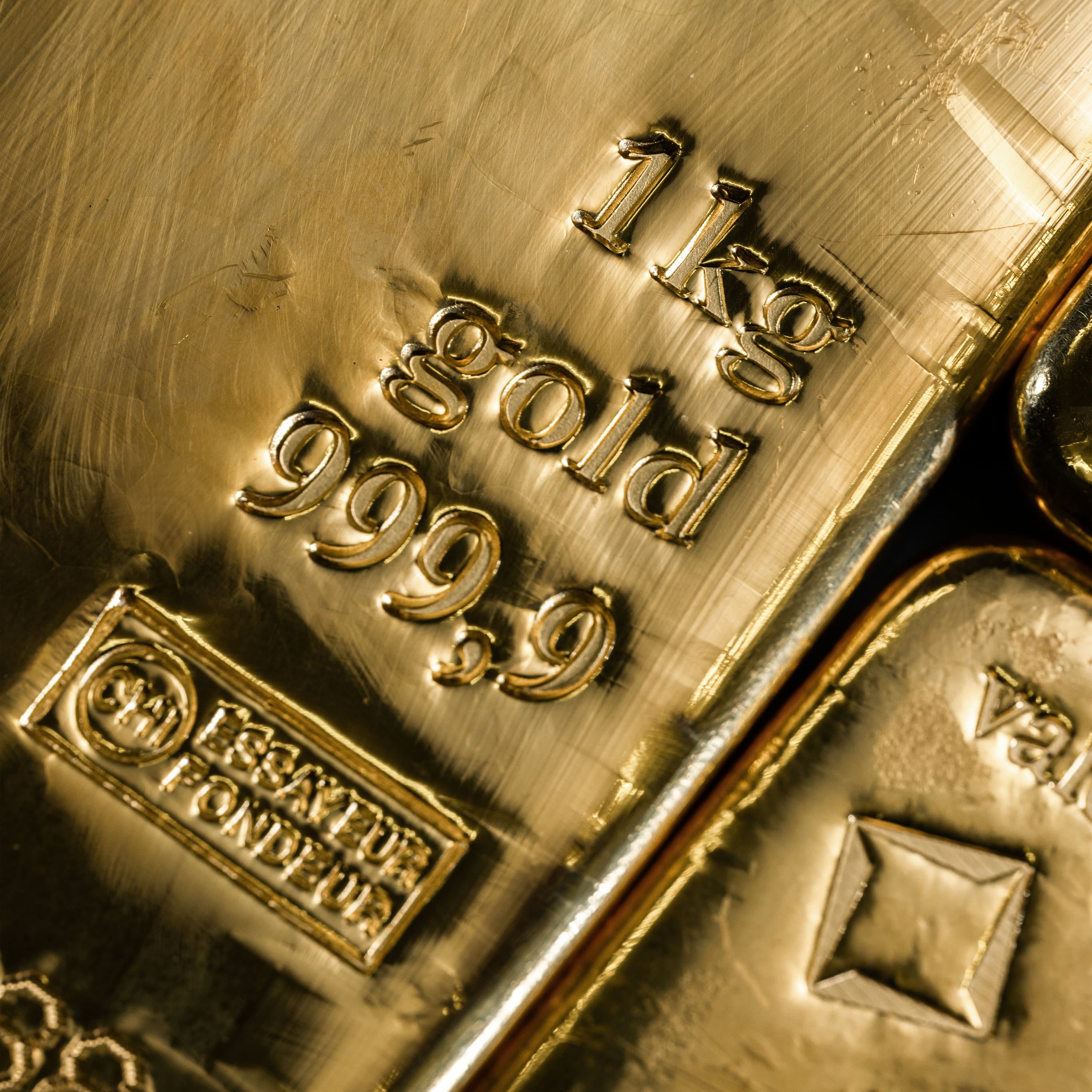
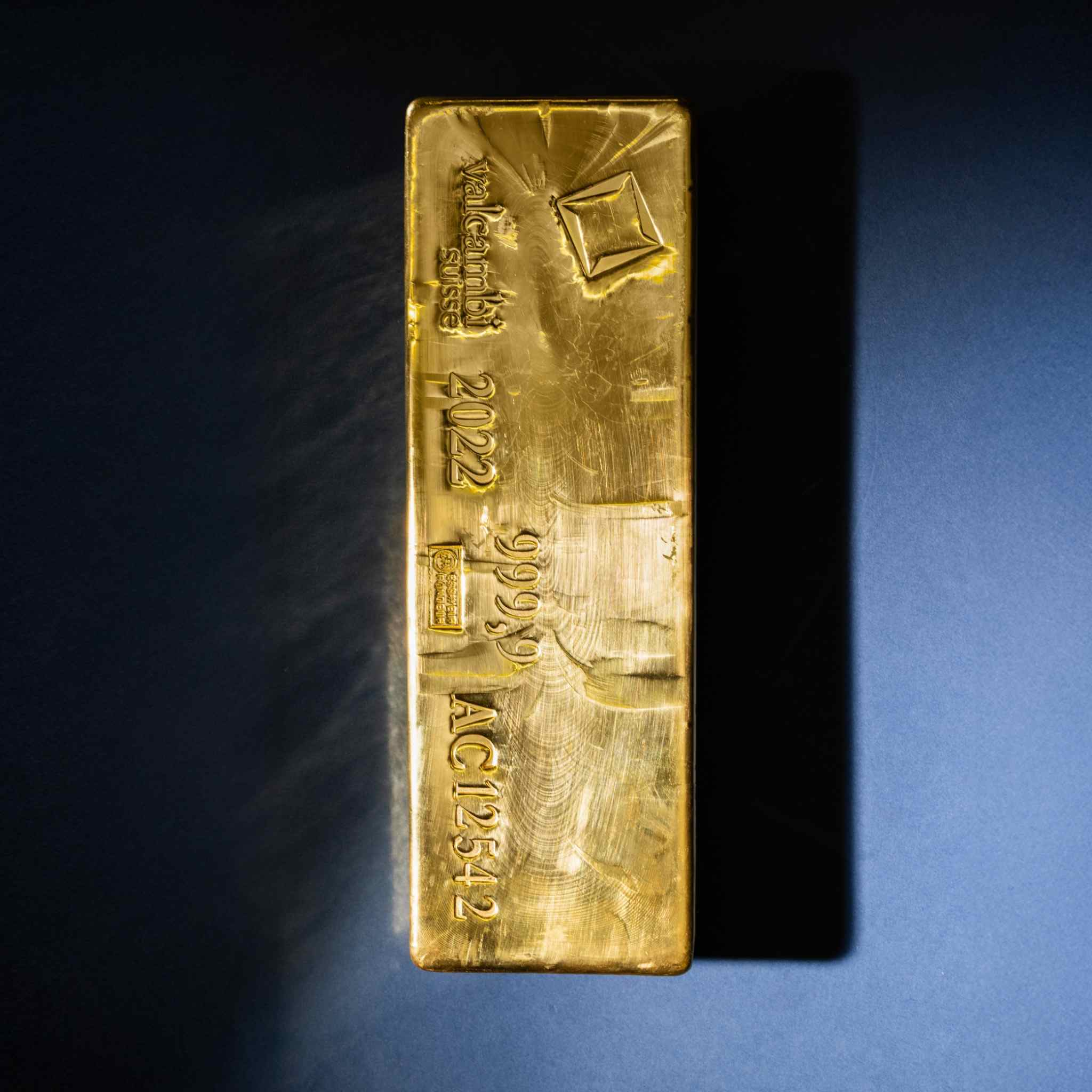
Gold plays a growing role in portfolios of the world's richest families
Family offices, professional organisations that manage the wealth of a single family, are increasingly adding gold to their portfolios. Many of the world's wealthiest families entrust these organisations with more than $1 billion in capital.
Banking giant UBS surveyed 307 family offices with an average net worth of $2.7 billion. The resulting Global Family Office Report 2026 included an interesting insight into gold.
The wealthiest families are choosing gold
UBS found that gold accounted for 2 percent of the portfolios of surveyed family offices in 2025. Interestingly, they expect this to rise to 3 percent in 2026. That would represent a 50 percent increase in their gold allocation.
UBS also found that the world's wealthiest families do not use gold primarily to generate returns. Gold is not in the portfolio to make them even richer. It is there to protect the wealth they have already accumulated.
Gold offers protection in a world of rising geopolitical uncertainty and provides a counterweight to declining confidence in the US dollar.
The rapid development of artificial intelligence, for example, is making the geopolitical future increasingly difficult to predict. The centre of gravity of the global economy may still be in the United States ten years from now. That is certainly possible.
But it could also shift to China, for example. Investors need to consider what such a scenario would mean for an equity portfolio that is heavily concentrated in the United States.
From that perspective, gold provides a degree of protection against geopolitical uncertainty. It is politically and economically neutral. Gold does not depend on where the world's economic centre of gravity is located in order to function. The same cannot be said for shares in Apple, Nvidia or Microsoft.
There is another factor. A share, bank deposit or bond ultimately depends on a counterparty. Physical gold does not. It is not the liability of a company, bank or government. In scenarios where confidence in financial institutions comes under pressure, that is a unique characteristic.
It is interesting to see that the world's wealthiest families, or at least the teams managing their wealth, are reaching the same conclusion. They even intend to increase the role of gold in their portfolios.
Choosing gold does not mean these families are pessimistic. Quite the opposite. According to the same survey, artificial intelligence is the leading investment theme and 65 percent already have exposure to the AI value chain.
The message, then, is not: sell growth and buy gold. It is: benefit from growth, but make sure part of your wealth does not depend on a single economic scenario. The combination is what matters. Owning equities does not have to exclude gold, and vice versa.
Thinking in decades, not quarters
It is not surprising that family offices are increasingly turning to gold. These organisations think in decades rather than quarters, months or weeks. They manage wealth that has been built across generations but can only be lost once.
They genuinely have something to protect. From that perspective, it is understandable that family offices choose protection and simplicity.
Gold has fulfilled the same functions for thousands of years. That is unlikely to change anytime soon. If anything, government debt positions around the world appear to be becoming increasingly difficult to manage.
Bond yields rise, increasing governments' interest costs. Budget deficits grow, more debt has to be taken on, and the cycle starts again. It increasingly resembles a vicious debt spiral.
For investors who think in decades, it can therefore make sense to protect at least a small percentage of a portfolio against inflation and geopolitical uncertainty.
Perhaps that is the most important lesson from the UBS research. These families are not trying to predict exactly what the world will look like in ten years. They are trying to build a portfolio that can remain resilient even when their forecast turns out to be wrong. Gold is once again playing a small but increasingly important role in that approach.
We are once again living in a time when owning gold does not make someone an alternative thinker. That has not always been the case.
UBS research shows that gold is playing a growing role in the portfolios of the world’s wealthiest families, designed to withstand a wide range of scenarios.

Thom Derks writes for GoldRepublic on gold, macro-economics and geopolitics. He studied Law in Leiden and Economics in Amsterdam. His personal fascination with scarcity and store of value through both bitcoin and gold brought him into the world of financial journalism. Through his own newsletter De Geldpers on Substack, he reaches over 5,800 subscribers with analyses on markets, geopolitics and the monetary system.