Buying gold coins vs. gold bars: which is smarter?
For investors looking to diversify their portfolio, investment gold can be an interesting addition. Over the years, gold has proven itself to be a stable investment and a way to protect wealth in times of crisis.
There are various ways to invest in gold, such as buying gold coins or gold bars. Both forms have common characteristics, but they also differ in terms of cost, quality, storage options, and legal certainty. In this article, we list the most important differences and characteristics.
The main differences between gold coins and gold bars
The table below shows you the most relevant differences between gold coins and gold bars at a glance:
Gold coins may be suitable if you prefer to hold small, manageable quantities of physical (investment) gold. Gold coins can also be an attractive investment if you view them as collectibles and are interested in their historical or aesthetic value.
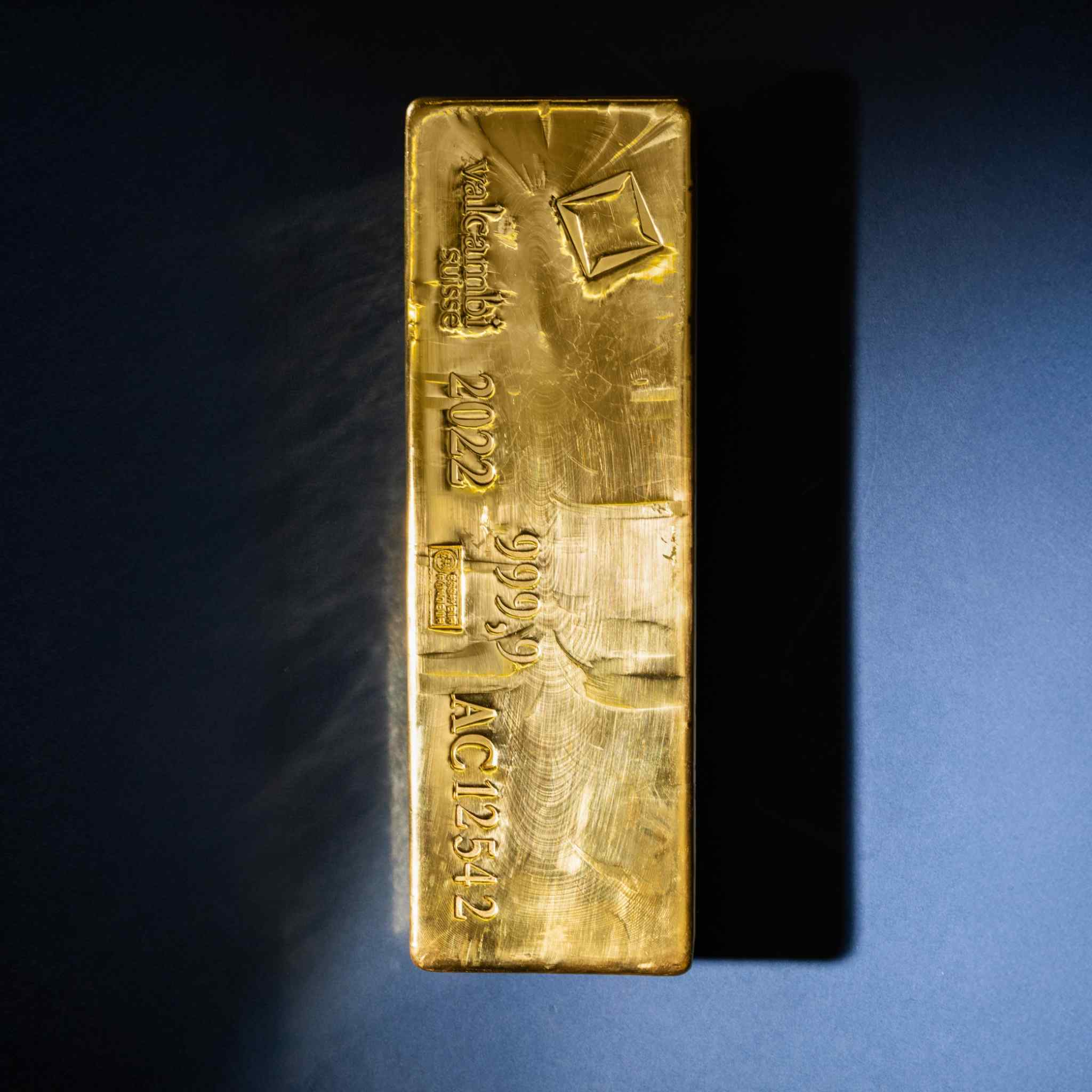
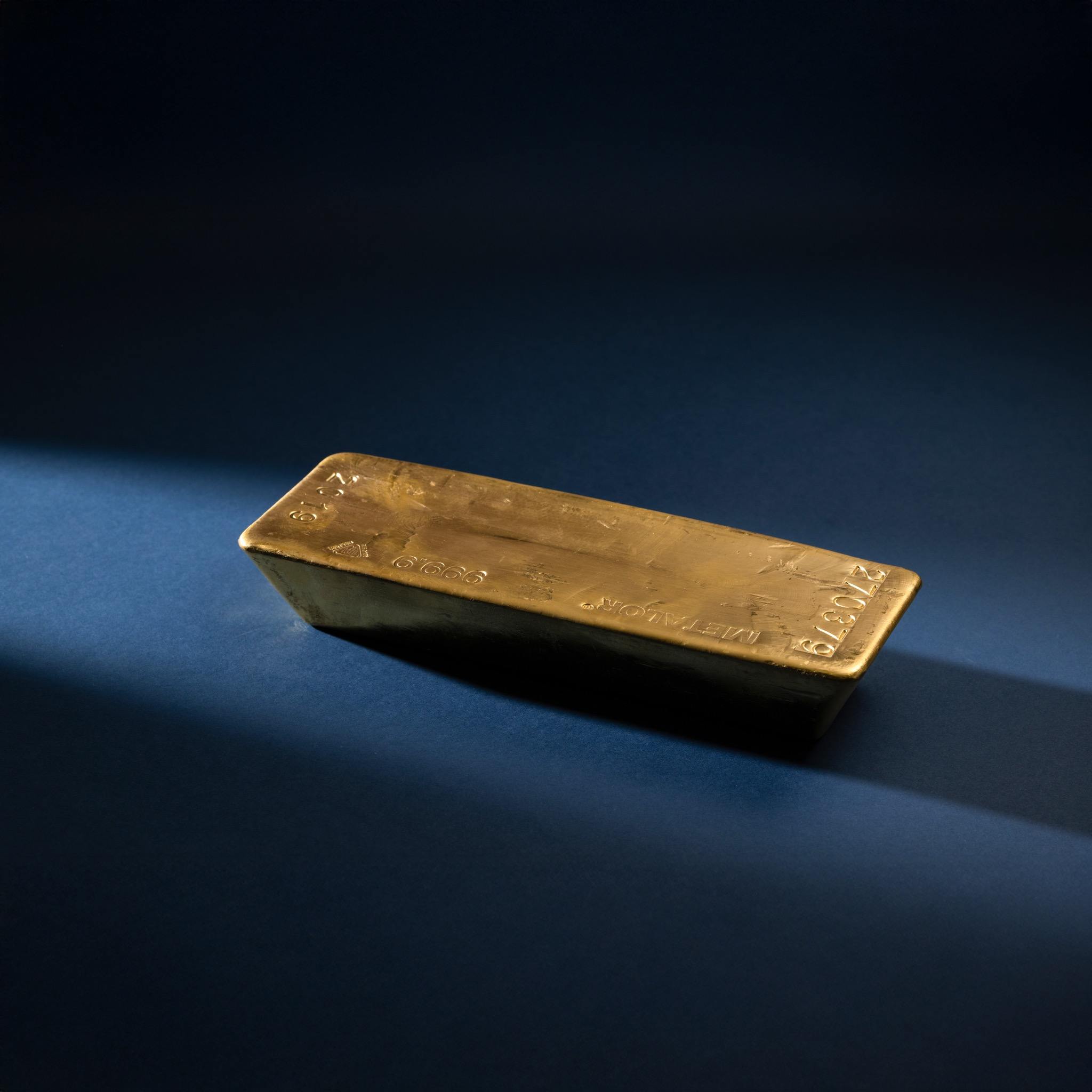
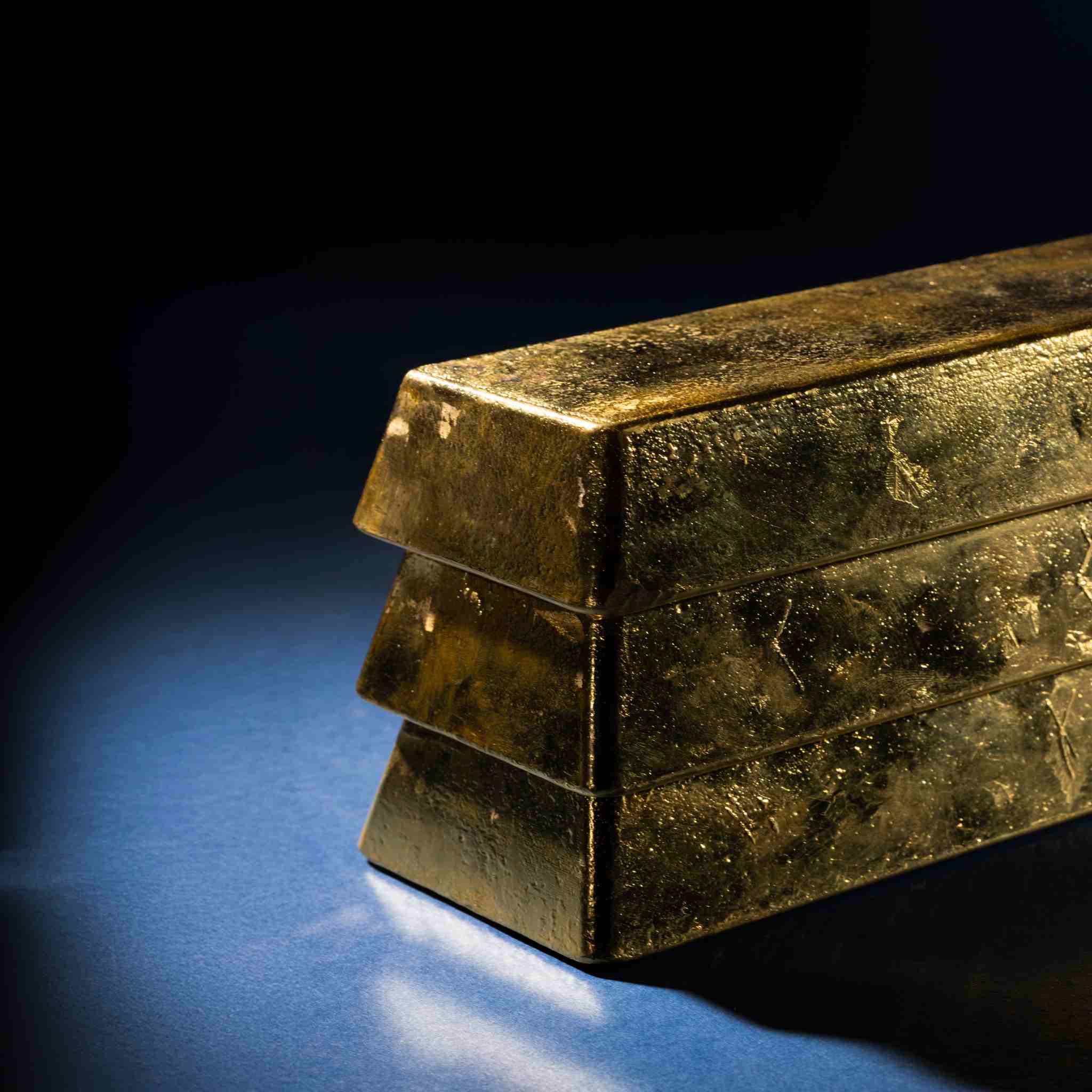
Gold bars are generally the better choice if you want to invest serious amounts in gold. You invest in pure gold and do not pay extra for any collector's value, as can be the case with gold coins.
By investing in gold from LBMA-certified smelters, you can also easily liquidate your investment; after all, gold is easily tradable worldwide.
You don't have to store gold bars at home: GoldRepublic arranges professional, independent storage for you. This allows you to buy physical gold without having to worry about storage, insurance, and authenticity checks.
What types of gold coins are there?
There are roughly three types of gold coins:
Investors who buy gold coins usually choose from internationally recognized bullion coins. These are coins that are primarily made as an investment and are issued by a government. They also have a nominal value, which means that they are also suitable as legal tender in the country where they are issued.
The Maple Leaf, a coin minted by the Royal Canadian Mint, for example, can have a nominal value of 50 Canadian dollars.
In practice, however, these coins are rarely used for payment because their gold value is much higher.
The government guarantees their weight, purity, and authenticity. The purity is usually at least 99.9% (24 karat) or higher.
Some commonly traded coins are:
- Krugerrand
- Canadian Maple Leaf
- American Gold Eagle (American gold coin)
- Vienna Philharmonic
- Britannia
What should you look out for when buying gold coins?
Buying gold coins seems simple, but many investors underestimate the risks. Therefore, pay attention to the following:
- Authenticity and condition: Coins that have been in circulation may show scratches or wear and tear. This immediately reduces their value. It is essential to check their authenticity.
- Costs: The additional costs of gold coins can be considerable, especially for popular or older coins.
- Storage risks: Storing gold coins at home involves risks. You are responsible for insurance and secure storage.
- Saleability: When selling, the coin must be checked again if it is not investment gold. Every imperfection costs you money.
There are various ways to invest in gold, such as buying gold coins or gold bars. Discover the similarities and differences.

Bart Brands is precious metals specialist at GoldRepublic and the face of the company towards customers and media. His interest in precious metals was sparked during the financial crisis and deepened through his background as a security expert and geopolitical analyst. He hosts the weekly podcast GoudKoorts with over 45,000 YouTube subscribers, regularly speaks at events on precious metals and authored the book Chaos zonder Goud!