Gold ETFs: 3 popular funds among Dutch investors
Anyone looking to invest in gold will soon come across the gold ETF: a tracker that follows the gold price. It lets you invest in gold indirectly, without owning physical gold.
An ETF can be an accessible investment option, but it also carries risks. In this article, you will read what a gold ETF is (and when we speak of an ETF and when of an ETC), which three gold price trackers are popular among Dutch investors and what the risks are. We also show the differences between a gold ETF/ETC and physical gold, so that you can decide for yourself what suits your investor profile.
What is a gold ETF and how does it work?
A gold ETF (Exchange Traded Fund) is a listed fund that tracks the gold price. It can be a physical ETF: a product backed by physical gold held in a vault. It can also be a synthetic variant that tracks the price through derivatives such as gold futures.
Although people often talk about gold ETFs, most physically backed gold ETFs in Europe are, strictly speaking, not ETFs but ETCs: Exchange Traded Commodities.
This is due to the European regulatory framework for investment funds: UCITS (Undertakings for Collective Investment in Transferable Securities). This framework requires a fund to diversify its investments, which means it may not be invested 100% in a single commodity such as gold.
A product that tracks the gold price is therefore in fact an ETC.
And gold mining ETFs?
A gold mining ETF works differently: it is a genuine ETF under the UCITS rules. Instead of physical gold, this fund buys shares in dozens of different companies that mine and process gold.
Because the fund invests in a basket of different listed companies, it meets the European diversification requirements for an ETF.
A gold mining ETF tracks the gold price indirectly. When the gold price rises, mining companies often make more profit, which can push up their share price. However, gold miners generally react more strongly to price changes (a leverage effect), and company-specific factors such as operating costs and political risks also play a major role.
The 3 most traded gold ETCs
A gold ETC is traded on the stock exchange. As a private investor, you can access it through a broker. Brokers list physically backed gold ETCs under the name ‘Physical Gold’.
Among Dutch investors, these are three examples of frequently traded physically backed gold ETCs:
With a fund size of around €30 billion, the iShares Physical Gold ETC stands head and shoulders above the rest. It is no coincidence that this is one of the largest gold ETCs in Europe, with a high trading volume.
The Invesco Physical Gold ETC comes close, at around €22 billion.
Dutch investors also invest relatively heavily in the Xtrackers IE Physical Gold ETC. At around €5 billion it is a comparatively smaller fund, but it comes with lower costs.
The popularity of these gold ETCs is down to well-known brokers offering them in an accessible way and at relatively low cost.
The risks of investing in a gold ETF/ETC
A gold ETC can be bought relatively easily through a broker, but it also comes with risks.
- Counterparty risk: with a gold ETF or ETC, you depend on several parties, such as the issuer, the manager and possibly a party that holds the underlying gold. If one of these parties runs into financial difficulties or cannot meet its obligations, this can affect your investment. In the worst case, you could lose (part of) your investment as a result. How great this risk is depends partly on how the product is structured and backed.
- No direct ownership: you only own a security, not physical gold. Delivery of a gold bar is generally not possible with ETFs and ETCs.
- Costs: you pay annual management fees on the total value of your ETF or ETC. You may also face transaction costs and costs for trading on a particular exchange. Altogether, these costs reduce your return.
Differences between physical gold and a gold ETF
There are a number of major differences between physical gold and a gold ETF.
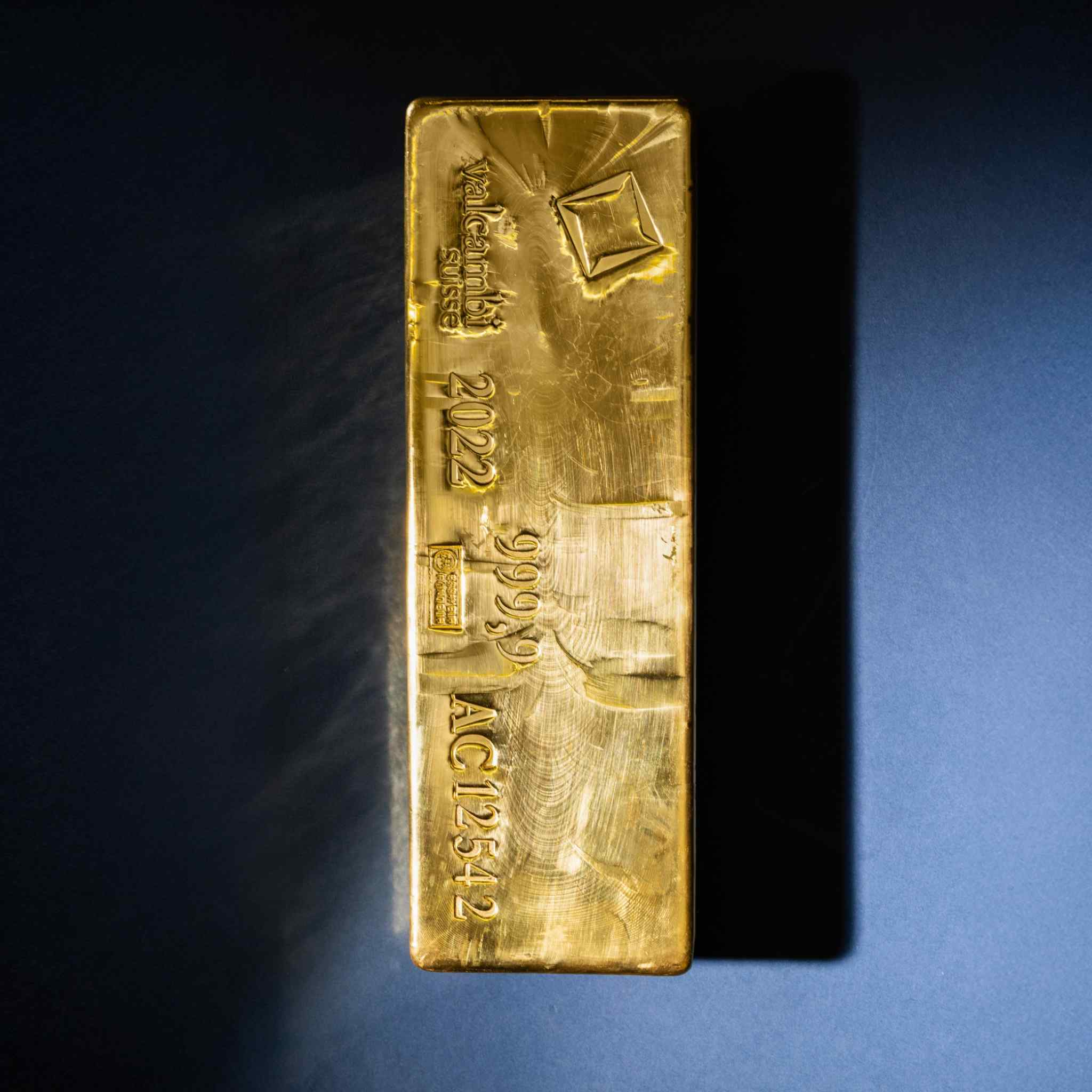
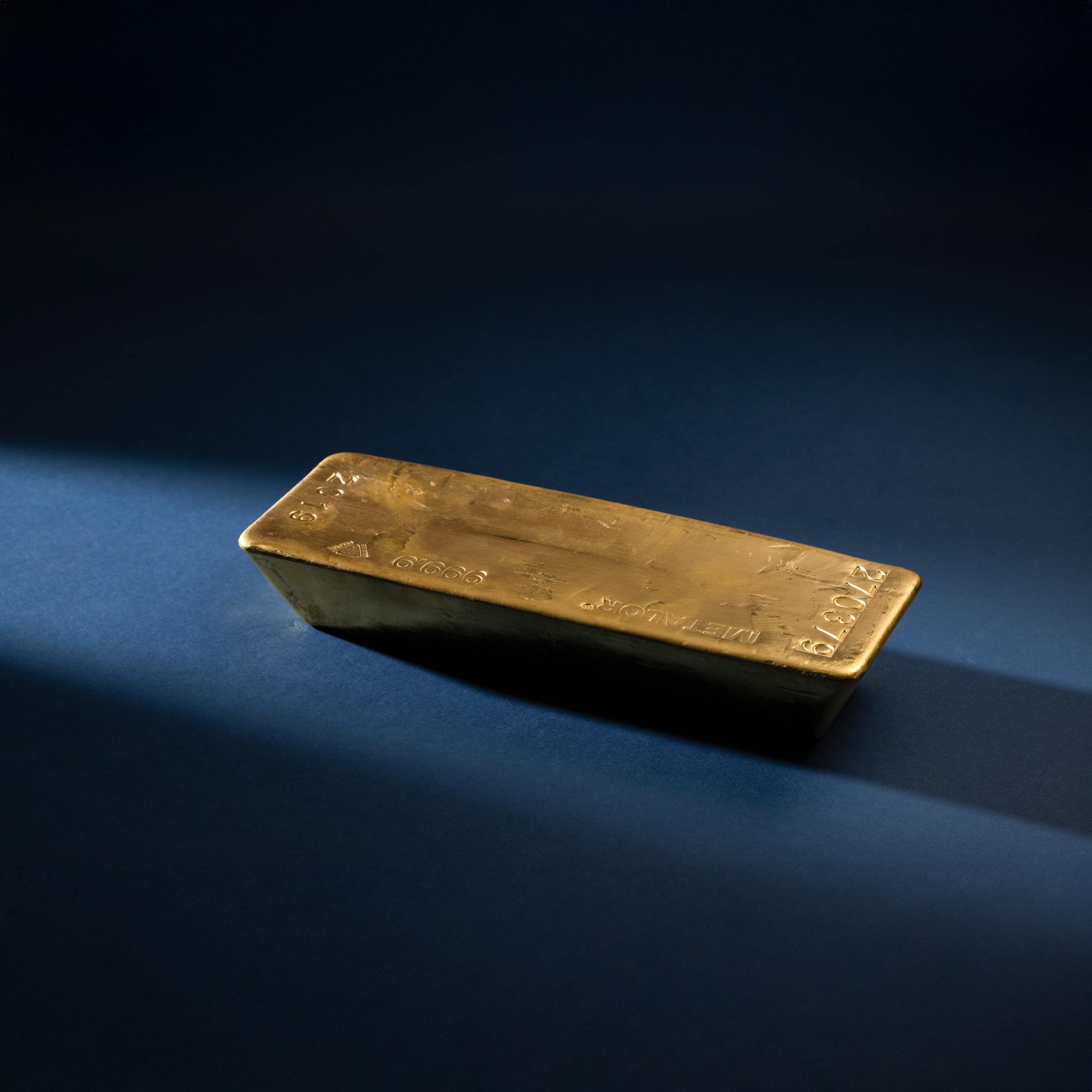
The most important difference is that when you buy physical gold, it is your direct property: it is registered in your name and you can have it physically delivered.
There is also no counterparty risk. With a gold ETF/ETC, that risk does exist, from both the issuer and the custodian.
The cost structure depends on the form you choose:
- With a gold ETF/ETC: You pay ongoing fund charges (the TER, or Total Expense Ratio), which include the fund provider’s management and vault storage, among other things. You may also face broker costs: transaction costs when buying and selling, possibly periodic custody or service fees from your bank or broker, and any costs for trading on a particular exchange.
- With physical gold via GoldRepublic: You invest directly in physical precious metal in your own name. The costs consist of a purchase and sale fee, calculated as a percentage of the total purchase amount. Handling costs may also be charged. In addition, you pay periodic storage costs on the value of your precious metal in the vault. Insurance costs are already included.
When you buy or save physical gold via GoldRepublic with storage at one of our storage locations, the costs consist of the purchase premium and storage:
A gold ETF or ETC offers investors a simple and fast way to respond to price movements on the stock exchange, investing in a financial product that tracks the gold price. Physical gold in your own name, on the other hand, focuses directly on owning the precious metal itself, independent of the financial system. Which form suits you best depends on your personal goal: are you looking for the flexibility of stock market trading or the certainty of direct ownership?
You can find an overview of all the ways to invest in gold in our article on the different ways to invest in gold.
GoldRepublic does not provide investment advice. It is best to discuss which form and allocation suit your situation with an independent financial advisor.
Which gold ETFs are the most popular? Discover the ETFs, the risks and how they differ from physical gold.

GoldRepublic is a leading European platform for physical precious metals, founded in 2010 as the first precious metal dealer licensed by the AFM (Dutch Authority for the Financial Markets). Our articles are written by a team of specialists in macroeconomics, precious metals and geopolitics.