Buying physical precious metals: what are your options?
Anyone considering buying precious metals usually already has a clear picture of why they want to add precious metals to their investment portfolio — for example, to protect their wealth against inflation, to diversify outside the financial system, or to preserve purchasing power over the long term. But which precious metal do you choose? Gold, silver, or platinum? And do you go for physical ownership, or opt for a derivative such as an ETF?
This page explains the choices involved in buying physical precious metals.
Buying precious metals: characteristics, advantages, and disadvantages
Gold, silver, and platinum are the most widely purchased precious metals worldwide. Each precious metal has unique characteristics, advantages, and risks, and depending on your situation and objective, can play a different role within your wealth.
Also read:
Choices you need to make when buying precious metals
Step 1: Determine your investment goal
A good plan starts with a clear goal. What's your objective for investing (in precious metals)? Mainly looking for stability? Then gold is the obvious choice. Looking for extra return potential and willing to accept more fluctuations? Then silver or platinum could be interesting.
Step 2: Decide whether you want to invest in physical precious metal or a derivative
You can purchase precious metals physically. With physical precious metal, you directly own gold, silver, or platinum that actually exists and is allocated to you. That means there's no counterparty risk, and you're not dependent on financial institutions. With GoldRepublic, you don't have to worry about secure storage.
With derivatives of precious metals, such as ETFs, gold or silver mining shares, or trackers, you don't own physical precious metal, but instead invest in a financial product closely tied to the gold, silver, or platinum price. The advantage is that additional costs are often low and tradability on the exchange is good. You also don't need to worry about secure storage of your precious metal. The downside is that you're dependent on financial exchanges and markets, there's counterparty risk, and you don't physically own the precious metal.
For those looking to buy precious metal as protection against systemic risk or inflation, physical gold is generally the logical choice.
Step 3: Research the origin of the precious metal
The origin of a precious metal is essential. A reliable provider preferably works exclusively with LBMA-certified refineries. These must meet strict requirements in terms of quality, provenance, and ethics.
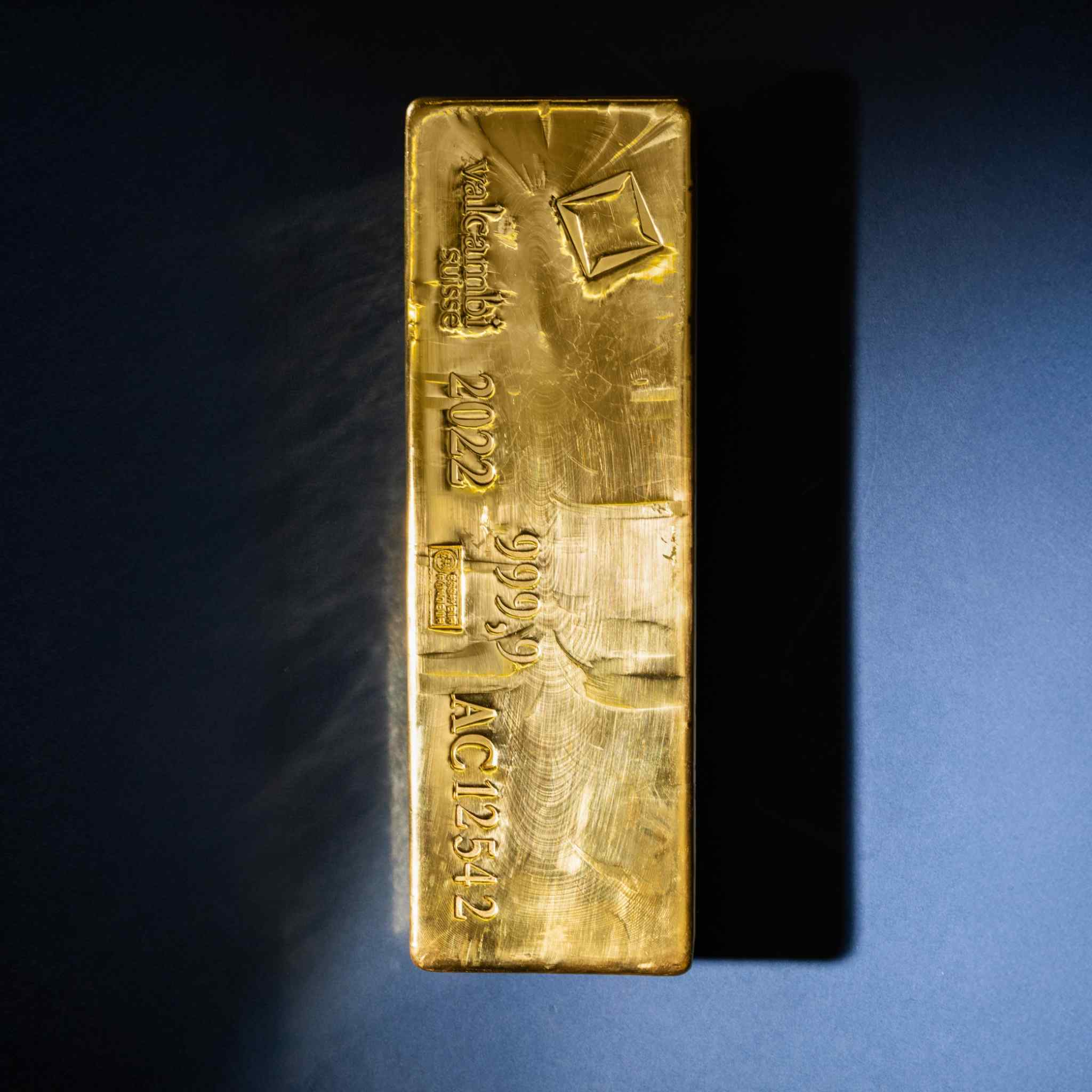
GoldRepublic, for example, works only with LBMA-certified refineries such as Valcambi and Umicore. Your purchased gold goes straight from the refinery into the vault. As a result, quality is fully traceable and is also periodically checked by an external, independent auditor.
Step 4: Take VAT into account
VAT treatment can make a significant difference to your net return, and therefore certainly deserves attention when buying precious metal.
Investment gold is exempt from VAT throughout the entire European Union. This also applies in other European countries outside the EU, such as Switzerland. This is one of the key reasons gold is used worldwide as a monetary reserve and long-term store of value.
For investment silver and platinum, this is different. In the Netherlands, precious metals such as silver and platinum are subject to 21% VAT upon physical delivery, meaning you start out with a significant cost right at purchase.
By storing in customs warehouses, for example in Zurich or Frankfurt, this VAT can be deferred: as long as the precious metal remains stored there, there's no physical delivery, and VAT only becomes due upon delivery. Moreover, when selling from these locations, no VAT is due at all, since the metal never physically leaves the warehouse. This can positively affect returns, especially for larger amounts or longer holding periods.
Step 5: Think about the storage of your precious metals
You can store your physical precious metals at home, but this carries high risks in terms of insurance, security, and discretion. That's why many investors choose storage in external vaults instead.
This way, you're fully insured against theft and damage, you carry no risks associated with home storage, and with GoldRepublic you benefit from independent confirmation that your purchased precious metal actually exists and is registered in your name.
GoldRepublic is one of the few providers in the Netherlands that works exclusively with third-party managed vaults. This is somewhat more expensive than vaults managed by the seller itself, but provides demonstrably greater security and certainty.
Step 6: Plan your exit strategy
Getting in is often simple, but how easily can you convert your precious metal back into cash when needed? It's wise to check in advance whether the provider you're buying from also offers a buyback guarantee.
With precious metal you keep at home, you have to find a buyer yourself when selling, or travel physically with your gold and silver to a buying office. There, the metal often needs to be re-tested and weighed to verify authenticity. This takes time, carries security risks, and the price you receive is often well below the current spot price (the 'spread').
When you choose storage in a customs warehouse through a provider like GoldRepublic, this process is considerably simpler. Because the precious metal never leaves the secure vault and the chain of ownership remains unbroken ('chain of integrity'), authenticity is always guaranteed. As a result, you can often sell your position at the touch of a button, 24/7, at the prevailing price, after which the money is transferred directly to your account. This gives you maximum liquidity and flexibility.
Also read:
Buying precious metals: things to know
Liquidity and spread of precious metals
Liquidity indicates how easily, and at what price, a precious metal can be bought or sold. The spread is the difference between the buying and selling price, and forms an important but often underestimated cost factor.
Gold is the most liquid precious metal worldwide. It can be traded 24 hours a day and has a very deep market with many buyers and sellers. As a result, spreads on gold are generally relatively low. This makes gold particularly suitable for investors who value flexibility and predictability when buying and selling.
The market for silver or platinum is smaller and generally more sensitive to fluctuations in supply and demand. In addition, VAT plays a larger role in pricing. This translates into higher spreads compared with gold. Especially with physical delivery in the Netherlands, VAT can significantly increase the spread.
For investors, this means silver and platinum generally require a longer investment horizon to offset these higher costs. Those who don't sufficiently account for this may face lower returns on interim sale, even if the price has risen.
Volatility of precious metals
Historically, silver and platinum have seen stronger price fluctuations than gold. This can lead to higher returns in rising markets, but also sharper short-term declines. This volatility calls for discipline and a clear investment horizon.
Ready to buy precious metals?
Looking to buy physical precious metal and want a provider that thinks along with you, is transparent, and demonstrably trustworthy?
GoldRepublic is the first provider in the Netherlands to hold an AFM license for physical precious metal, has more than $1.7 billion in precious metals in storage, and works exclusively with independent vaults. Through our platform, you can invest in gold, silver, or platinum, either as a one-off or periodically. This is possible from as little as 1 gram or a $50 contribution. Through our savings plans, you can automatically buy precious metal every week, every two weeks, or every month, at the current price.
Want to buy precious metals? Read how selling gold, silver and platinum works and what you should pay attention to.

Rika Zaat is host of MacroCheck at GoldRepublic, where she translates macro-economic topics into clear and accessible videos. She is also responsible for marketing, productions and events, including large live evenings with speakers such as Willem Middelkoop and Peter Schiff. Rika graduated cum laude from Nyenrode Business University with an MSc in Financial Management (GPA 8.2).