

Buying silver coins or bars of silver: which is smarter?
For investors who want to diversify their portfolio, physical silver can be an interesting addition. Silver is known for its broad industrial uses and strong demand in times of economic uncertainty. And because a gram of silver is considerably cheaper than a gram of gold, it is also a more accessible way of investing in precious metals.
If you want to invest in silver, you will soon find two options: buy silver coins or bar silver. While both forms are tangible and valuable, they may differ in terms of additional costs, storage and tradability. In this article, you will find out the main features and when which choice is most appropriate.
The main differences between silver coins and silver bars
The table below provides a clear overview of the major differences:
Silver coins are particularly attractive for investors who want to buy smaller amounts of silver or are interested in the collecting aspect.
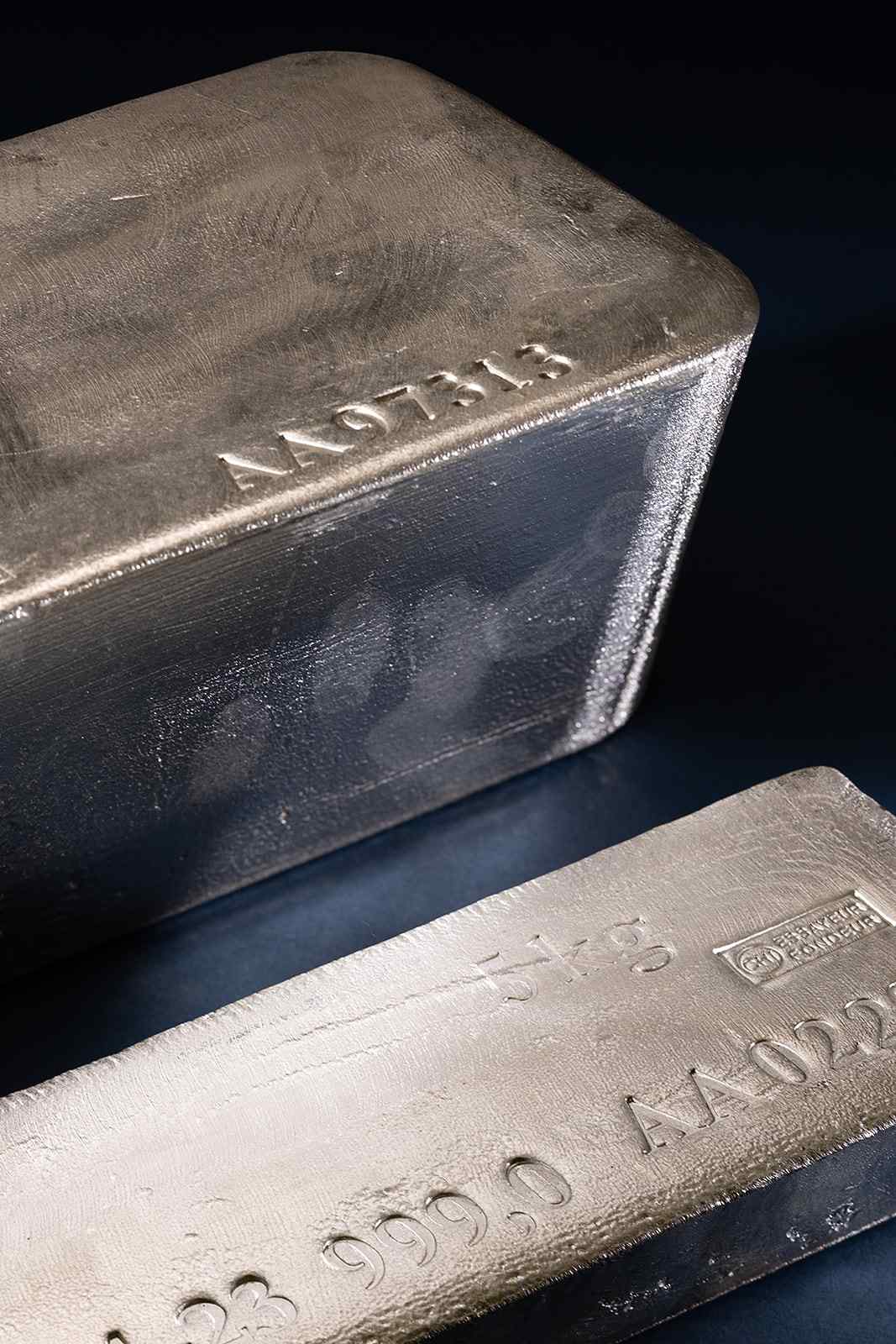
Silver bars are usually more interesting for those who are serious investing in silver at the lowest premium per gram.
What kind of silver coins are there?
Silver coins are broadly divided into three categories:
Investors usually opt for silver investment coins that are recognized worldwide and issued by national mints. Bullion coins are minted in various weights, but the most common weight is 1 troy ounce (silver coins weighing just over 30 grams).
They usually contain a purity of 99.9% silver and have a nominal value, which means that, in theory, they lawful means of payment are in the country of origin.
Popular investment silver coins include:
- Silver Maple Leaf
- American Silver Eagle
- Austrian Philharmonic
- Britannia
- Krugerrand (silver variant)
Although the nominal value is often only a fraction of the actual silver value, the official nature offers investors extra confidence in authenticity and purity.
What should you pay attention to when buying silver coins?
Although silver coins seem accessible, there are important points to consider:
- Authenticity and condition: Silver coins may have been in circulation and therefore have scratches or signs of wear. This can depress the value, especially with collectible coins. Verification of authenticity (weight test, magnetic test, certificates) is essential.
- Higher costs due to premiums: Coins have a higher premium than bars due to design, circulation and popularity. This means that you pay relatively more per gram of silver than with a silver bar.
- Storage risks: Keeping investment silver at home increases the risk of theft or loss. In addition, you must provide insurance yourself.
- Saleability: A coin that is damaged or whose authenticity is not immediately verifiable may sell for less. In principle, this risk is minimal for bars produced by LBMA-certified refiners.
Silver coins or bars: when do you choose what?
Silver coins are suitable if you want to hold small, easily tradable amounts of investment silver. Even if you value the design or its collectable value, silver coins can be an appropriate choice.
Silver bars are usually suitable if you want to invest larger amounts in silver (at the lowest premium). Even when you aim for efficiency and optimal safety, LBMA-certified silver bars are a logical choice.
Why more and more investors are opting for silver bars
More and more investors see silver as interesting precious metal with future potential, partly due to the growing demand from the industry (including solar panels, electronics and medical applications). Silver bars are often chosen here because of:
- Lower premium per gram
- Direct origin from approved smelters
- Global tradability
- Affordable professional storage options
- No loss of quality due to wear
If you opt for silver bars, are you buying silver at the best price, at no extra cost for design or collection value.
Investing in silver coins or bars? Read the main features and when to choose which one is most appropriate.

Bart Brands is precious metals specialist at GoldRepublic and the face of the company towards customers and media. His interest in precious metals was sparked during the financial crisis and deepened through his background as a security expert and geopolitical analyst. He hosts the weekly podcast GoudKoorts with over 45,000 YouTube subscribers, regularly speaks at events on precious metals and authored the book Chaos zonder Goud!